Russia Targets Unprotected Commercial Facilities
Russia shifts the cost of drone defense to business
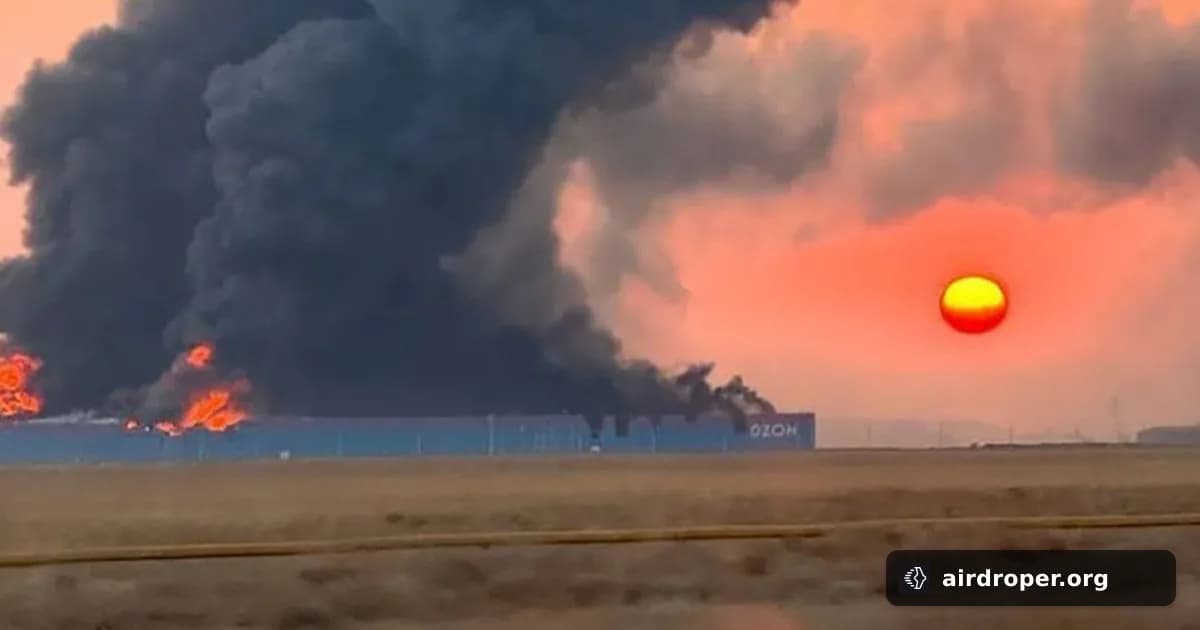
The latest reports from Russia point to a harder line on protecting commercial and industrial infrastructure from drones. The message is simple: companies are expected to secure their own critical facilities, and those that do not may face state intervention.
That puts private operators in a difficult position. Facilities that once relied on ordinary security measures now face a more serious aerial threat, and the burden of response is being pushed downward to the enterprise level. In practical terms, this means businesses are being told to invest in their own protection if they want to retain control over strategically important assets.
What this tells us about the drone threat
This development highlights a few broader realities:
- Drones are now a persistent threat to rear-area infrastructure, not just frontline targets.
- Protection is increasingly being privatized, even for facilities that have national importance.
- Security policy is becoming a tool of pressure, with control over infrastructure tied to a company’s ability to defend it.
For operators, the challenge is not only financial. Effective counter-drone protection can require layered solutions: detection, monitoring, electronic countermeasures and, in some cases, physical hardening. Those capabilities are expensive, difficult to deploy quickly and often need to be integrated into existing security systems.
Why this matters beyond Russia
The report is another reminder that drone warfare is reshaping infrastructure security far from the battlefield. Commercial sites, logistics hubs and energy assets are no longer protected by geography alone. If drones can reach them, then defense becomes part of normal operations.
That changes the market. Demand grows for systems that can spot small aerial targets, reduce their effectiveness and keep critical equipment running under pressure. It also changes the mindset of operators, who can no longer treat drone defense as an optional upgrade.
In short, the war is pushing infrastructure resilience to the center of security planning. Control over a facility increasingly depends on whether it can survive the drone threat in the first place.
Related Posts
Comments
Sign in to leave a comment