Why Ukraine Is Parking Its M1 Abrams Tanks
Drones Are Redefining How Tanks Are Used
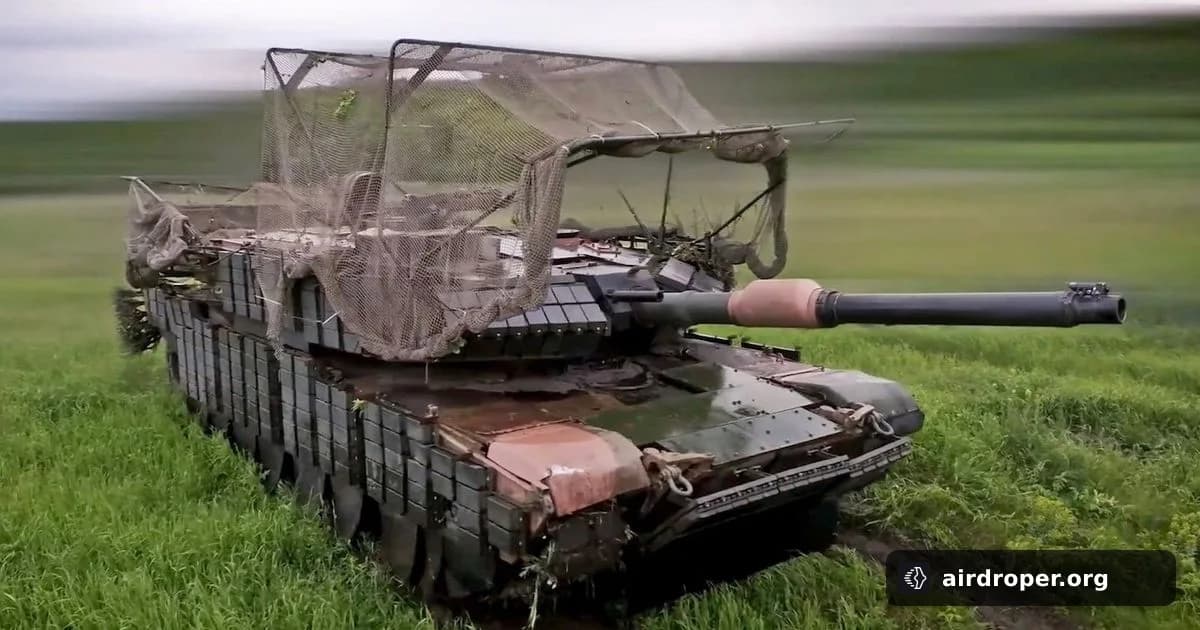
Ukraine has not abandoned the M1A1 Abrams, but recent combat experience has changed how the vehicle is employed. After two costly operations, the 425th “Skala” Regiment stopped using its Abrams tanks in regular offensive actions. That does not mean the tank has lost its value. It means the battlefield around it has changed.
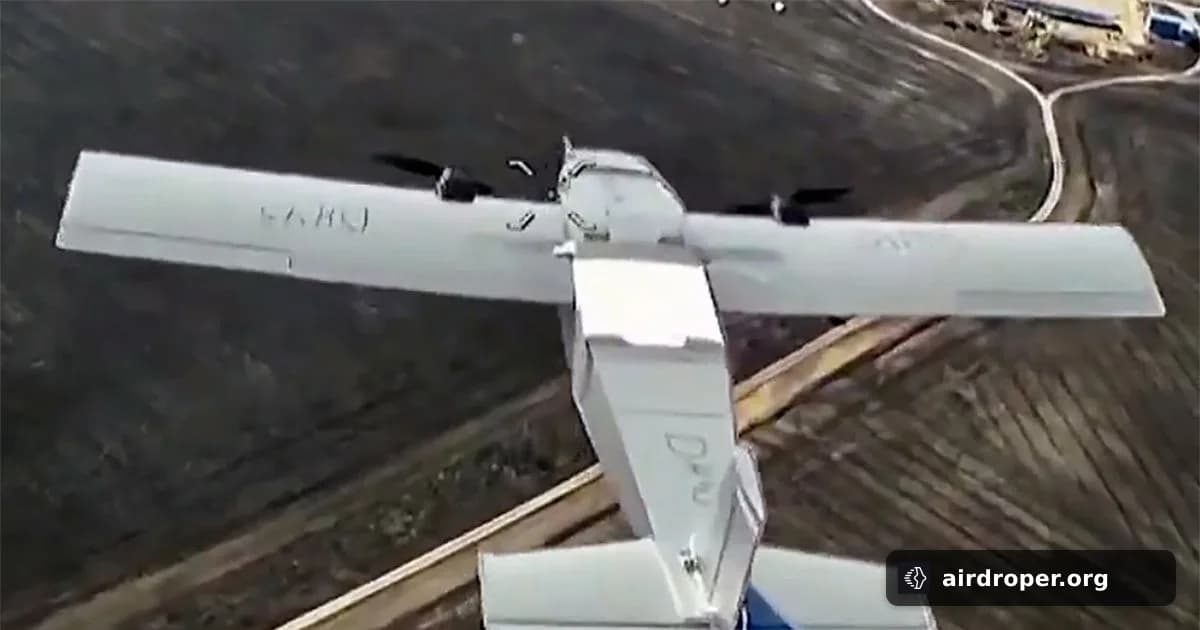
The key shift is the scale and persistence of Russian reconnaissance and strike drones. For a heavy main battle tank built around armor, firepower, and mobility, constant aerial surveillance creates a much harsher operating environment. Detection is faster, tracking is easier, and strikes can follow with little warning.
Why the Abrams Was Pulled Back
The Abrams remains a formidable platform, but modern armored warfare is no longer decided by armor thickness alone. Success now depends on a wider system of support, including:
- concealed movement to firing positions;
- protection from airborne surveillance;
- rapid relocation after firing;
- close coordination with infantry, electronic warfare, and drones.
Without that support, even a highly capable tank can become an exposed target. That is why Ukrainian units are increasingly treating armor as one element in a combined-arms setup rather than the centerpiece of a breakthrough.
This Is Not the End of the Tank
The pause in frontline Abrams use should not be read as a rejection of tanks altogether. In the right conditions — with solid reconnaissance, drone protection, and coordinated fire support — the Abrams still has a clear role as a powerful direct-fire weapon and infantry support asset.
The broader lesson is bigger than one vehicle. On today’s battlefield, armor has not disappeared, but its use has become more selective, more technical, and more dependent on counter-drone measures. Drones have not made tanks obsolete. They have forced armies to rethink how tanks survive and fight.
Related Posts
Comments
Sign in to leave a comment