
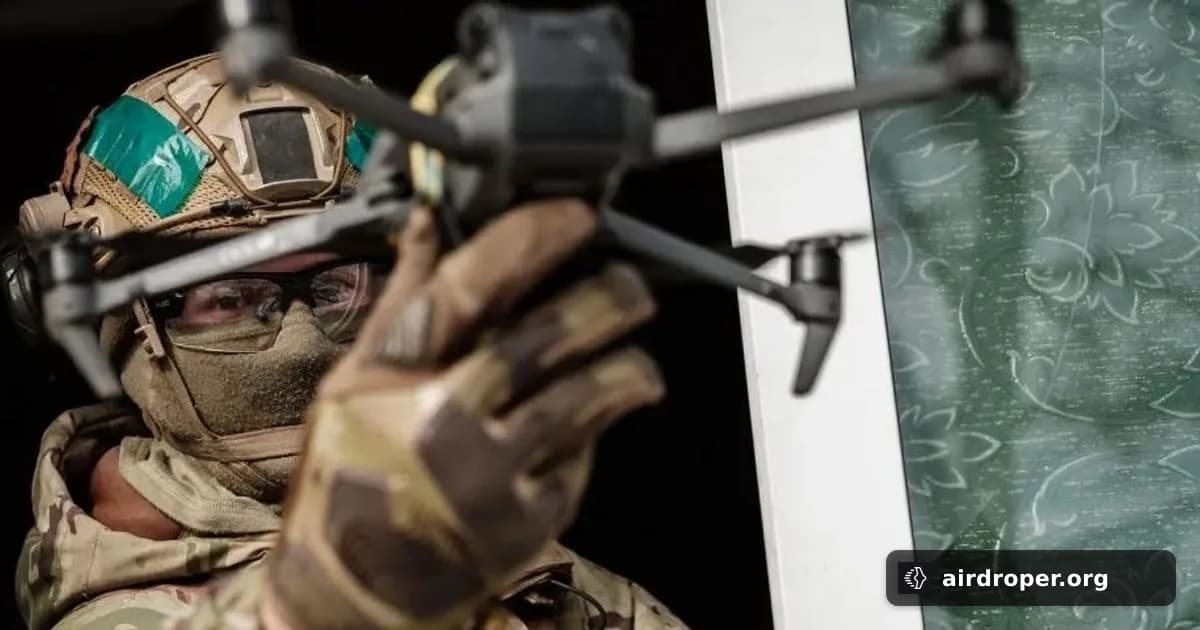
Ukraine's Defense Ministry Shifts to Spec-Based FPV Drone Procurement
A New Standard for Military Drone Procurement
Ukraine's Agency for Defense Procurement (ADP) has launched tenders for FPV drones worth a combined over 3.3 billion hryvnias — but the headline figure isn't the most important part of this story.
For the first time, the Ukrainian Ministry of Defense is procuring FPV drones based on technical and tactical specifications rather than specific model names or brands. Any manufacturer whose product meets the defined parameters can now compete for contracts.
What's on the Table
Two tender packages have been published on the Prozorro public procurement platform:
- 11 lots totaling more than 2 billion hryvnias
- 8 lots totaling over 1.3 billion hryvnias
The procurement uses a framework agreement model — a two-stage process where suppliers first pass a qualification screening, then compete in specific tenders among pre-approved participants. So far, 19 manufacturers have qualified under this framework.
Why the Shift to Spec-Based Procurement Matters
Moving from brand-based to specification-based purchasing is a structural change with real consequences across the drone industry.
For manufacturers, it levels the playing field. What matters now is whether a drone actually meets the required range, electronic warfare resistance, or flight endurance — not which company has the right connections.
For the military, it builds redundancy. If one supplier faces delays, another manufacturer whose drone meets the same specs can fulfill the order. That reduces single-source dependency and keeps supply chains moving.
For the sector overall, it creates an incentive to compete on performance. Manufacturers are pushed to optimize their designs against objective benchmarks rather than relying on existing procurement relationships.
Framework Agreements: A Proven Tool
Framework agreements are a standard procurement mechanism in NATO defense contracting. They reduce the time between identifying a need and signing a contract, because suppliers are already vetted and approved.
In the FPV drone segment — where battlefield requirements evolve rapidly and frontline demand can't wait months for bureaucratic processes — this approach is particularly well-suited.
If the model proves effective in practice, it could set a precedent for procurement across other categories of unmanned systems in Ukraine's defense supply chain.
Related Posts
Comments
Sign in to leave a comment