Why First-Time Drone Pilots Prefer AI
Why the first drone feels overwhelming
Buying a first drone sounds simple at first, but the experience can quickly become confusing. Shoppers are faced with terms like flight modes, obstacle sensing, tracking, return-to-home, and camera specs. For someone who just wants to fly and record decent footage, the amount of technical detail can turn an exciting purchase into a decision that feels much more complicated than expected.
What AI changes for beginners
This is where AI-enabled features start to matter. The main value is not that they make the drone “smarter” in a marketing sense, but that they reduce the number of decisions a new pilot has to make. Automated assistance can support hovering, subject tracking, obstacle awareness, and safe return behavior. That means the user can focus more on flying and filming, and less on figuring out how each system works.
Why beginner-friendly design matters
For first-time pilots, confidence is often more important than raw capability. A drone that handles some of the routine tasks on its own creates a smoother learning curve and lowers the chance of a frustrating first flight. That is especially relevant for small consumer drones, which are often bought by people with no aviation background and little patience for complex setup or calibration.
A broader shift in the drone market
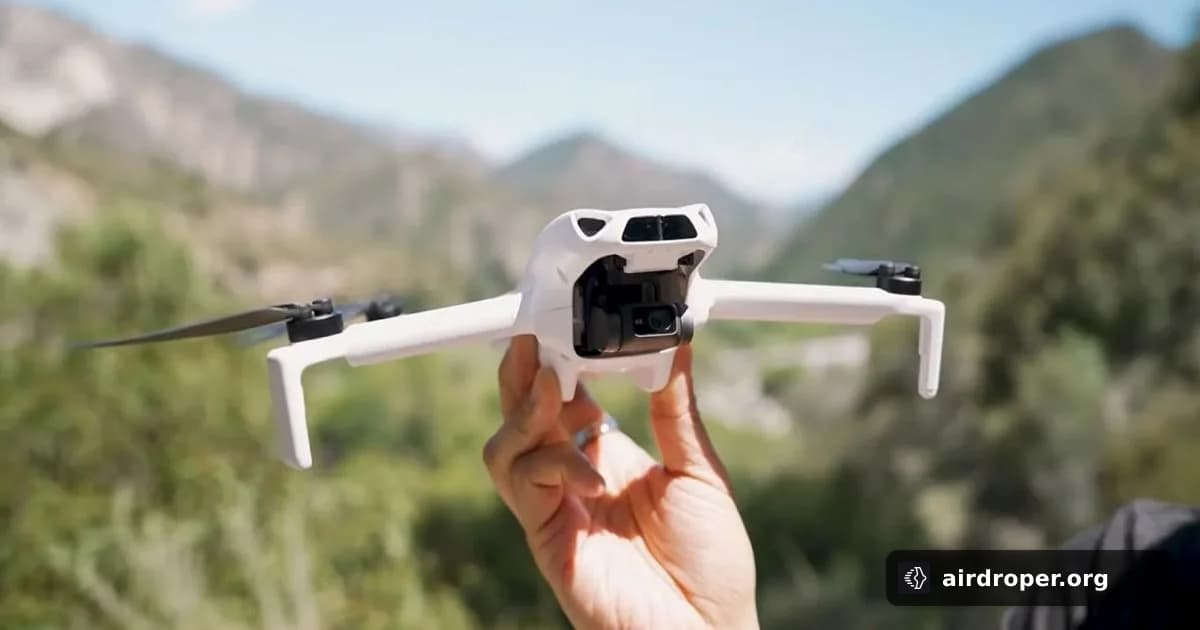
The growing interest in AI-assisted drones reflects a wider change in the market. Drone makers are no longer designing only for hobbyists who enjoy technical tinkering. They are also building products for everyday users who want quick setup, simple controls, and reliable automation. In that context, AI is less about hype and more about usability.
For new pilots, that can make all the difference. If the aircraft helps remove some of the intimidation from the first flight, it becomes easier to move from curiosity to real use. And that is exactly why AI-focused mini drones are drawing attention from first-time buyers.
Related Posts
Comments
Sign in to leave a comment