WZ-X Drone: What Its Unusual Wing Design Shows
New images sharpen the picture of WZ-X
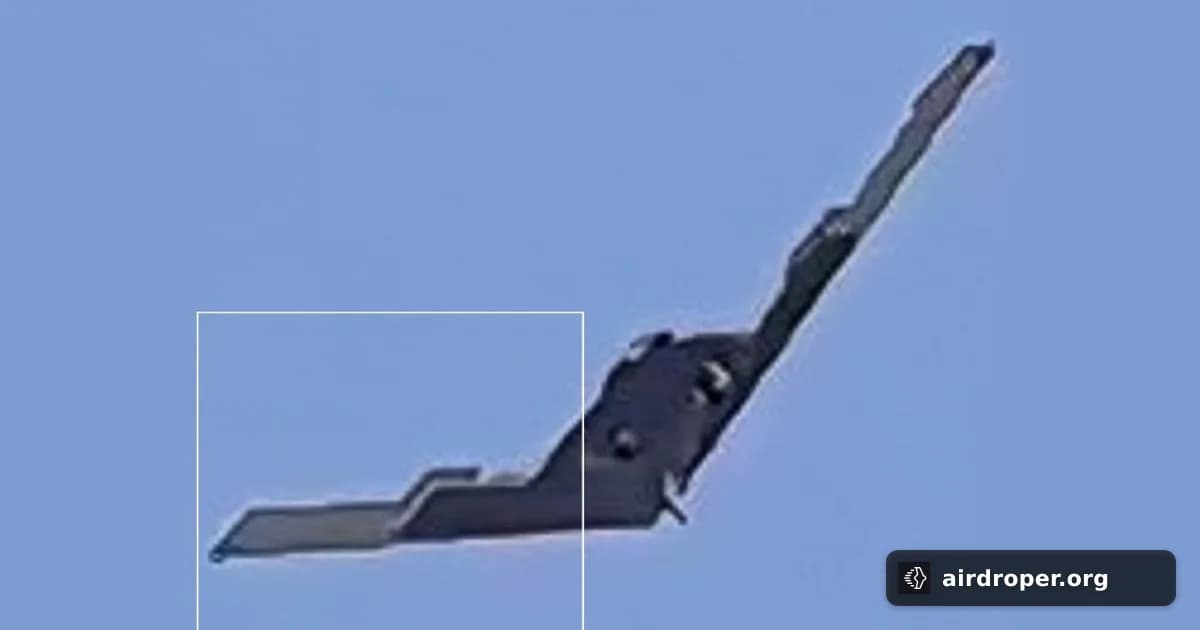
Fresh airborne photos of China’s WZ-X drone have offered a clearer look at one of its most distinctive features: the unusual wing configuration. For analysts, this matters because wing geometry is often one of the best visual clues to a UAV’s intended role and design priorities.
The latest images do not reveal the full technical story, but they do confirm that the aircraft follows a highly specific aerodynamic concept. On large unmanned systems, that usually means a careful trade-off between endurance, low observability, and flight stability.
Why wing layout matters
On a stealthy large UAV, the wing is doing more than generating lift. It shapes the aircraft’s overall performance in several ways:
- range and efficiency during long missions;
- radar signature and detectability;
- control authority and stability;
- space for sensors or payloads.
That is why even a single new photo can matter. It helps confirm how designers are balancing competing requirements in a platform that appears to be built for more than just simple reconnaissance.
What the new view suggests
Public information on WZ-X remains limited, but the aircraft fits into a broader trend: larger stealth UAVs are becoming increasingly important in modern air power. They are often associated with long-range surveillance, reconnaissance, and operations in environments where risking a crewed aircraft would be far more difficult.
The new photos do not answer every question, but they do make one point clearer. WZ-X is not just large; it is shaped with a very deliberate aerodynamic logic. In UAV design, that kind of detail is often where the most important capabilities begin.
Related Posts
Comments
Sign in to leave a comment