U.S. Air Force Wants Guns for Base Air Defense
Air Force bases need a cheaper layer of defense
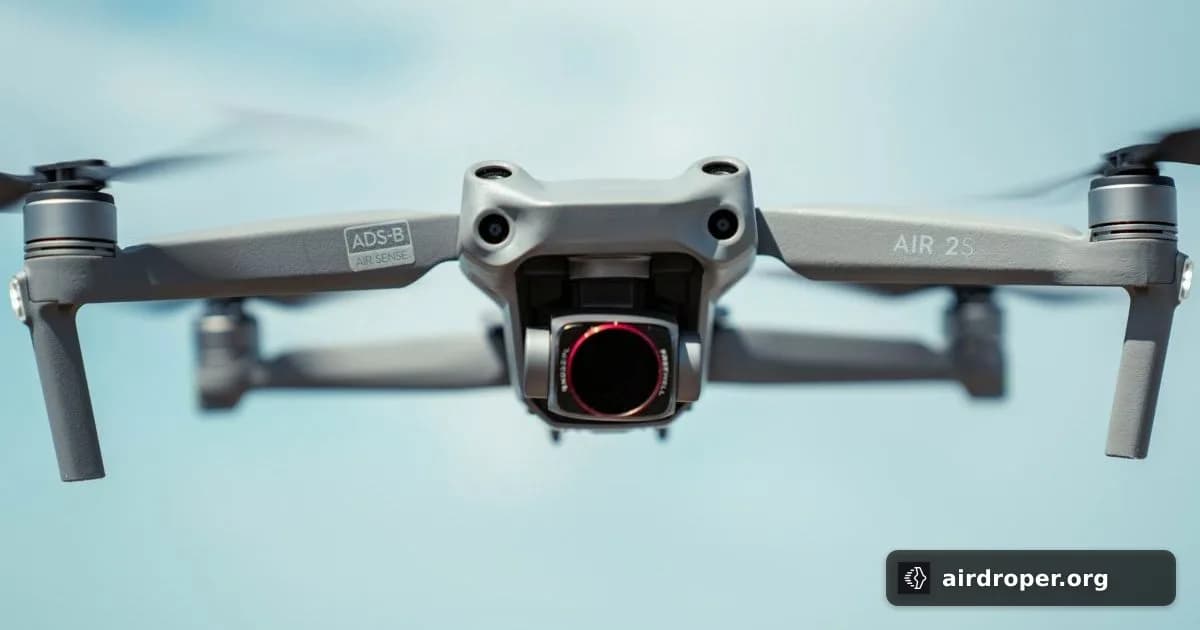
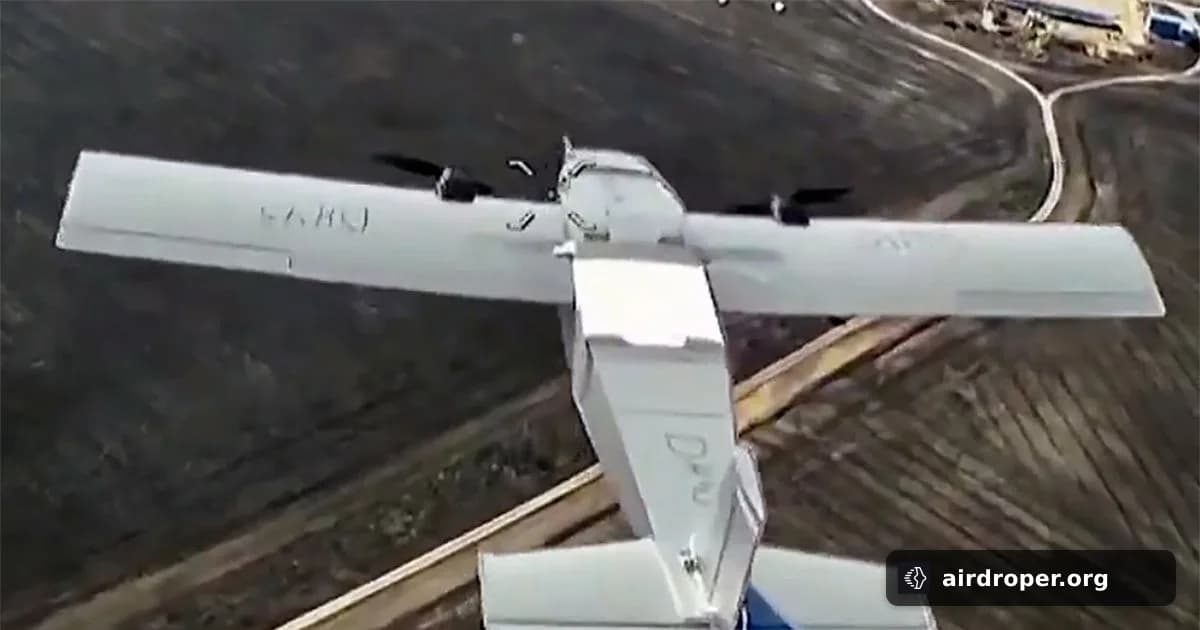
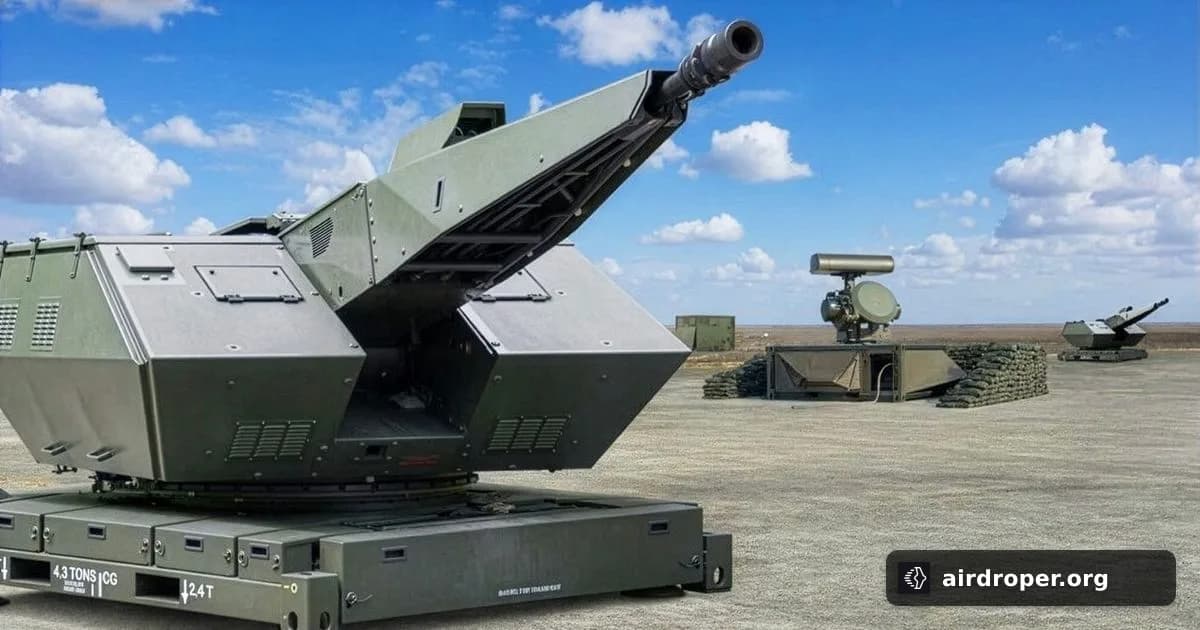
The U.S. Air Force is looking at anti-aircraft guns as part of the protection package for its overseas bases. The goal is not to replace missiles or advanced air defense systems, but to add a practical layer against drones and cruise missiles—threats that are increasingly common, low-flying, and costly to defeat one by one.
The move fits a broader shift inside the service: forward bases are expected to take on more of the air defense mission themselves. That means the Air Force needs tools that can be deployed quickly, work close to the perimeter, and deal with small targets without forcing commanders to spend expensive interceptors on every incoming object.
Why guns are back in the conversation
Anti-aircraft guns offer a simple advantage: they are cheaper to use. In a conflict where drones can arrive in numbers and cruise missiles can be used to overwhelm defenses, cost matters as much as capability. For airfields, logistics hubs, command posts, and other critical sites, a gun-based system can provide a fast-response option when the threat is close and the timeline is short.
This is part of a larger layered-defense approach. Modern base protection usually combines long-range sensors, missile interceptors, short-range systems, and point defense tools around the installation itself. Guns fit into that last layer, where immediate reaction and high volume of fire can matter more than reach.
A sign of changing base defense priorities
The Air Force’s interest in anti-aircraft guns shows how base defense is adapting to current threats. The challenge is no longer limited to aircraft arriving at altitude. Small drones, low-flying cruise missiles, and coordinated attacks have made perimeter defense more demanding and more expensive.
In that environment, gun systems are valuable because they can complement missiles rather than compete with them. They give base commanders another option, especially when the best answer is not the most expensive one. For overseas installations, that mix of flexibility and cost efficiency is becoming harder to ignore.
Related Posts
Comments
Sign in to leave a comment