Drones Reveal Hidden Maya Megacities in Guatemala
When the jungle stops hiding the past
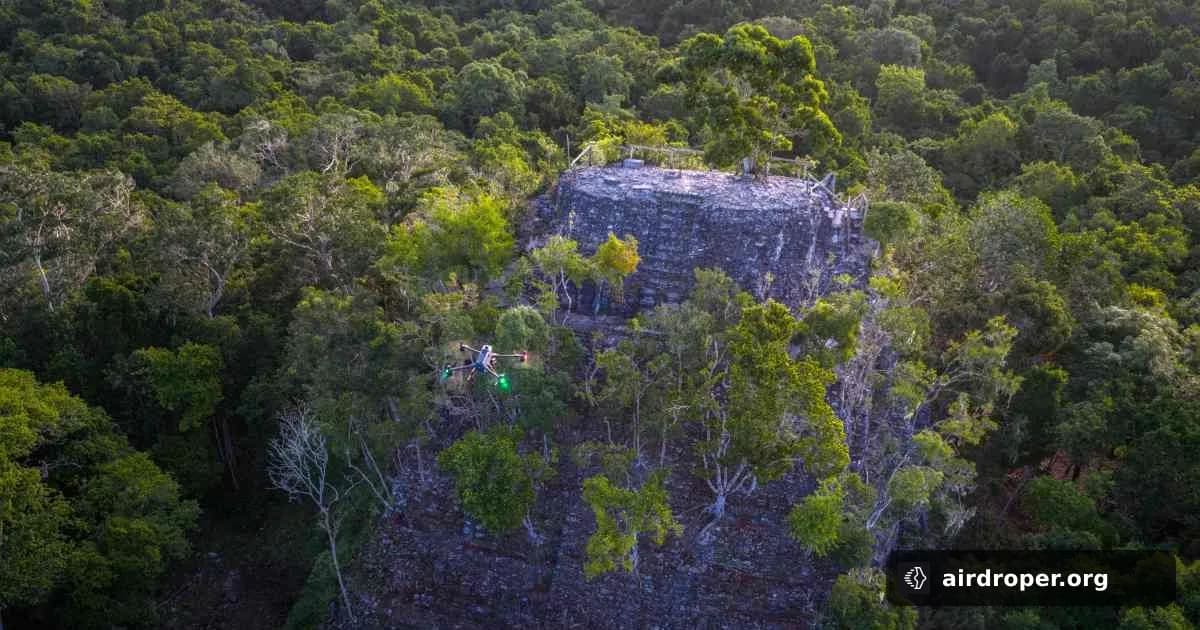
For years, archaeologists working in northern Guatemala knew the Maya landscape contained far more than what could be seen from the ground. The obstacle was not a lack of evidence, but the rainforest itself. Thick vegetation made much of the ancient world effectively invisible, leaving only fragments for researchers to study.
That is where drones and LiDAR have changed the pace of discovery. Used together, they make it possible to survey large areas quickly and detect structures that remain hidden under the canopy. In archaeology, that turns a difficult field problem into a broader view of how ancient settlements were built and connected.
Why LiDAR matters in dense forest
Standard aerial imaging struggles in environments like Guatemala’s jungle. LiDAR works differently: laser pulses are sent toward the ground, and the reflected signals are used to build a detailed model of the terrain. Even where trees block direct sight, the data can reveal shapes beneath the vegetation.
That is especially useful for identifying:
- settlement layouts;
- roads and raised causeways;
- defensive features;
- large urban complexes that would otherwise look like natural terrain.
For Maya studies, this kind of mapping matters because many sites have been preserved only as traces under forest cover. The more complete the terrain model, the clearer the picture of how people lived, moved, and organized space.
A new way to read ancient cities
The discovery of hidden megacities does more than add a few new points to the map. It changes how researchers understand the scale of Maya civilization. Networks of buildings and infrastructure suggest a more connected and structured landscape than isolated ruins alone would indicate.
That broader perspective helps archaeologists ask better questions about population, trade, and administration. It also reduces the need for disruptive clearing, since drones can cover large territories without physically opening the forest.
Why UAVs matter beyond mapping
This story is a reminder that UAVs are increasingly useful far beyond their best-known commercial and defense roles. In the field, they support mapping, documentation, and rapid assessment in places that are hard to reach by foot.
For drone engineers, the lesson is clear: flight stability, navigation accuracy, and sensor integration are not abstract technical goals. In applications like archaeology, they directly shape the quality of the data and the value of the mission.
The Guatemala project shows how aerial technology can help rewrite history. Sometimes the most important discoveries begin not on the ground, but with a sensor flying above it.
Related Posts
Comments
Sign in to leave a comment