New Drone Map Feature Helps Avoid Airspace Conflicts
A practical fix for a common problem
Anyone who flies drones regularly has probably experienced it: you arrive at a planned spot, power up, and realize another pilot is already using the same area. It is a small inconvenience on the surface, but it can quickly turn into a safety issue, a scheduling headache, or a ruined shoot.
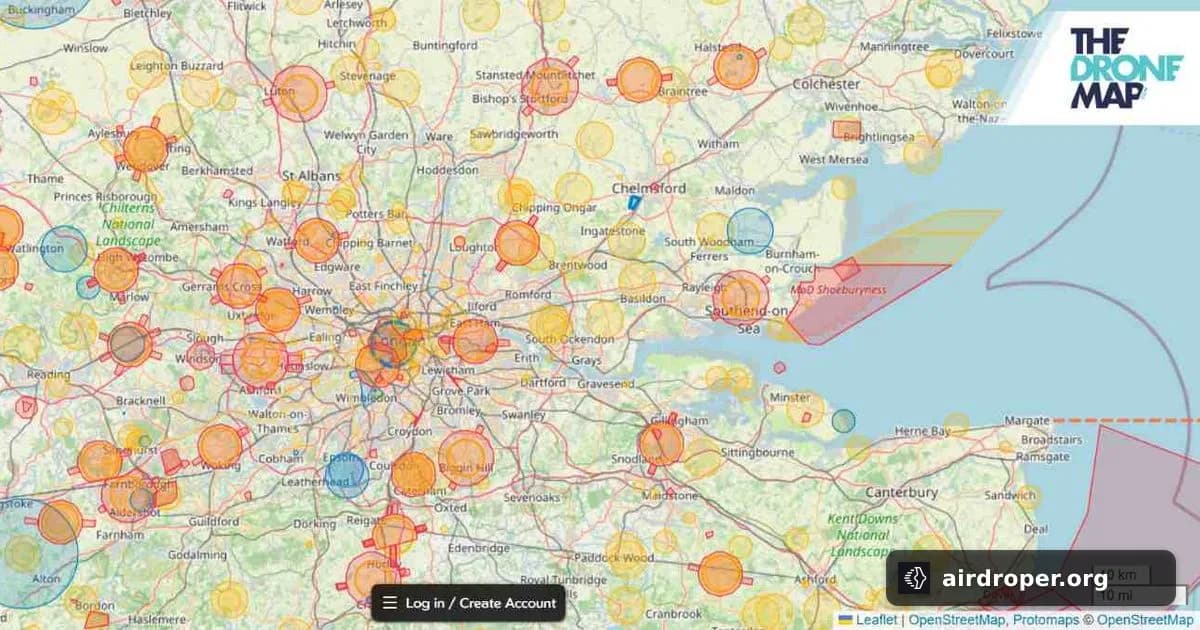
A new feature from The Drone Map is designed to reduce those surprises. The goal is straightforward: give pilots a better sense of where drone activity is already happening so they can avoid unnecessary overlap in the airspace.
Why this matters
Drone operations are not only about regulations. They also depend on coordination between pilots who may be working in the same region at the same time. Even when flight is permitted, sharing one location with multiple drones can create practical problems:
- reduced situational awareness;
- more difficult distance management;
- higher chance of mission disruption;
- avoidable friction at popular flying sites.
For that reason, tools that reveal local activity before takeoff can be useful for both hobbyists and commercial operators.
What the map adds
The basic idea behind the feature is simple: check the map before you travel or launch, and you get a clearer picture of whether your planned flight area is already active. It is not a replacement for official airspace checks, but it does add another layer of operational awareness.
That extra visibility is especially valuable at well-known flying locations where multiple teams may work in close proximity. Instead of discovering a conflict on arrival, pilots can choose a different site, adjust timing, or coordinate more efficiently.
A sign of a more mature drone workflow
Features like this reflect a broader shift in drone operations. The industry is moving away from a casual fly-first approach and toward more structured planning. The more tools pilots have to spot overlap early, the easier it becomes to keep operations orderly and predictable.
In practice, that means fewer surprises on site and better control before the mission even begins. For the wider drone ecosystem, it is another step toward safer use of shared airspace.
Related Posts
Comments
Sign in to leave a comment