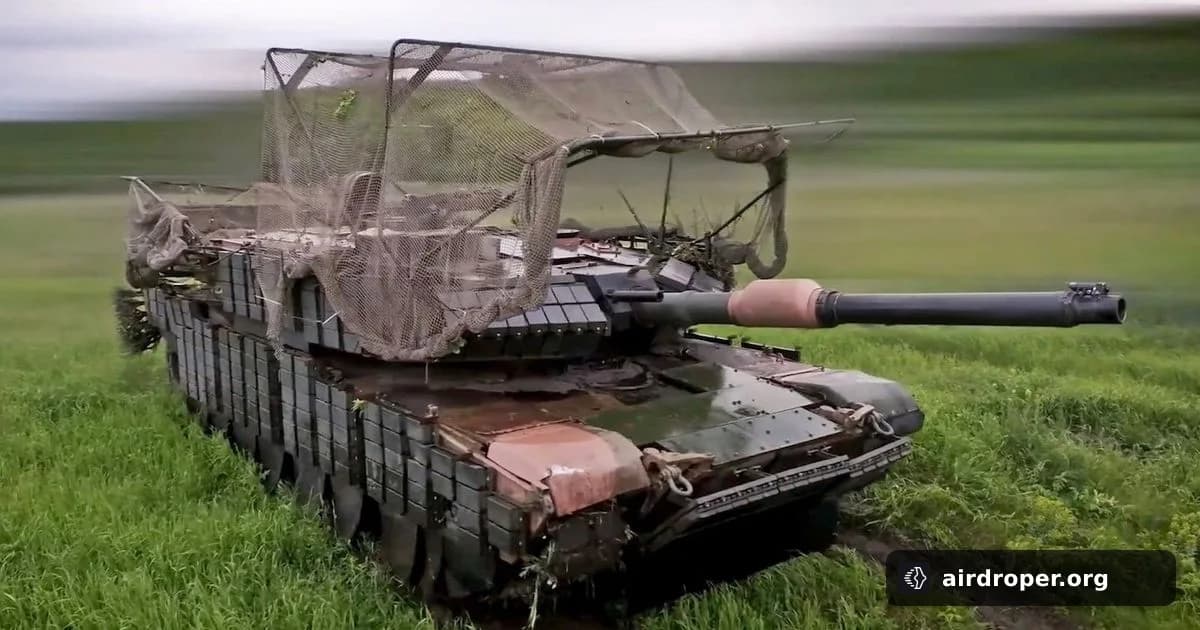
After two costly operations, Ukraine’s 425th “Skala” Regiment paused offensive use of its M1A1 Abrams tanks as drones reshaped the battlefield.

Russia is pressuring companies to secure key facilities against drones or risk losing control of the infrastructure.

DJI Neo has hit a record-low price, but upcoming tariff changes could make this deal harder to find very soon.
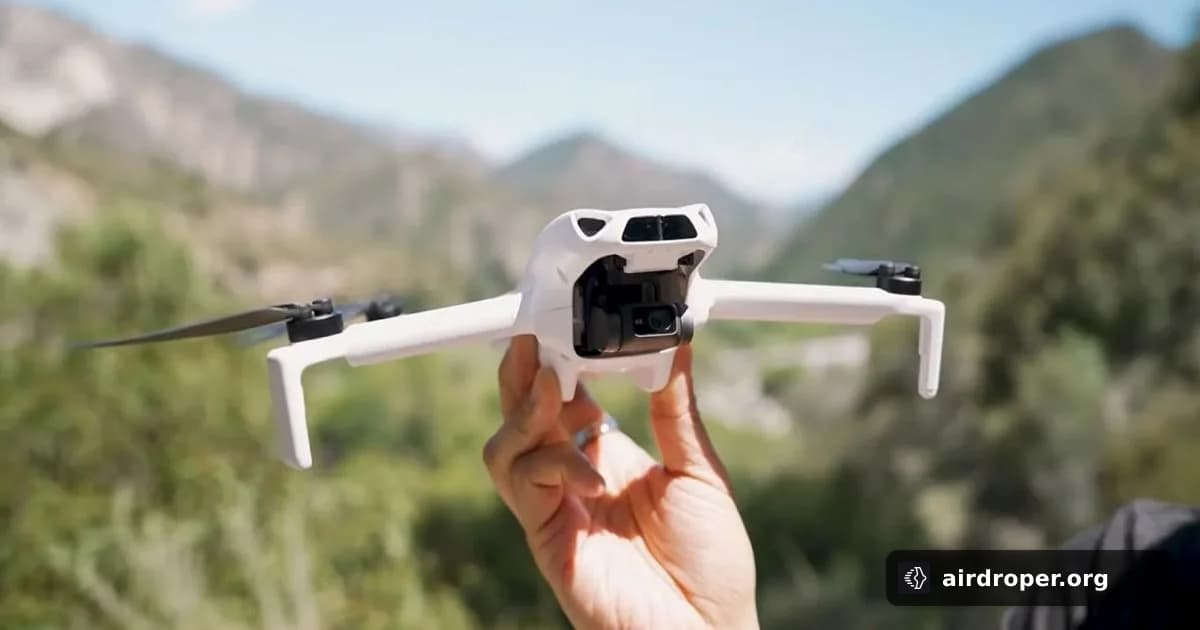
AI features are making first drones less intimidating by reducing setup complexity and helping beginners fly with more confidence.
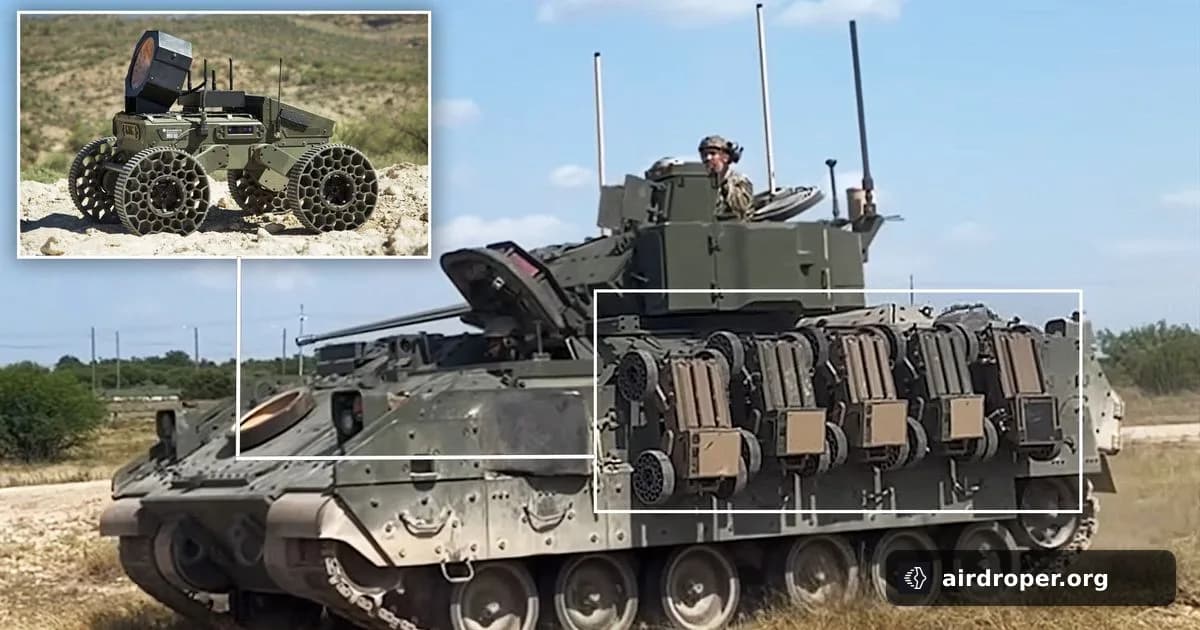
A Bradley carrying swarming ground drones points to a future of armored warfare built on reconnaissance, autonomy, and distributed systems.
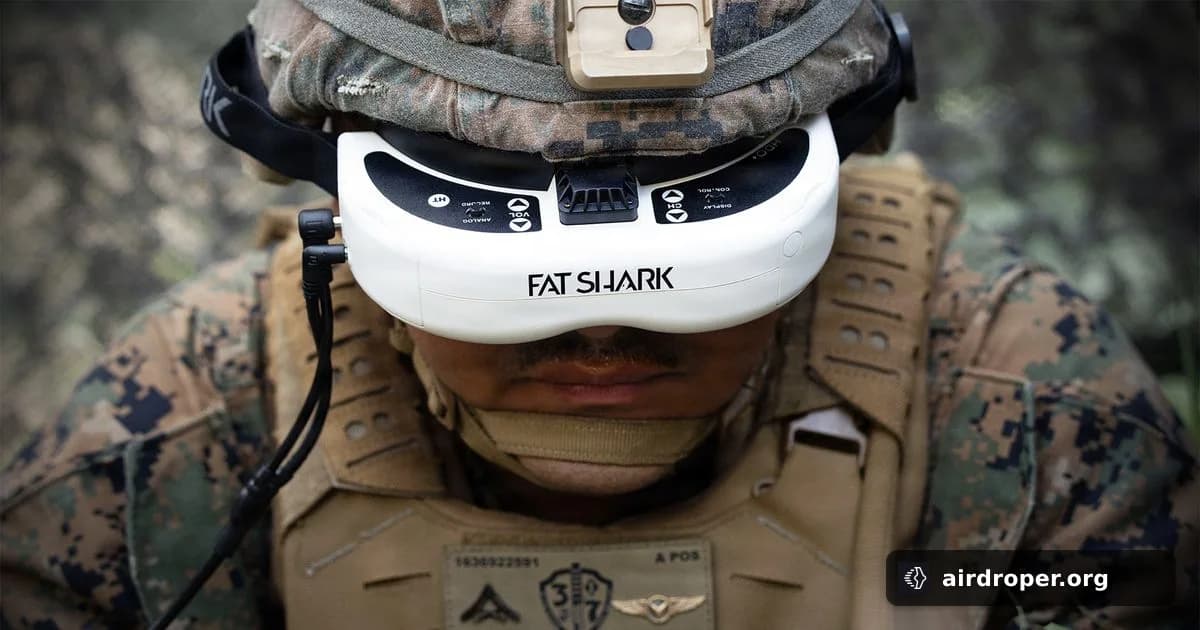
Ground Combat Element 2040 shows how the U.S. Marine Corps is reshaping small infantry units for a battlefield dominated by drones.

AirData says it has tracked over 65 million drone flights worldwide, underscoring the growing maturity of commercial drone operations.
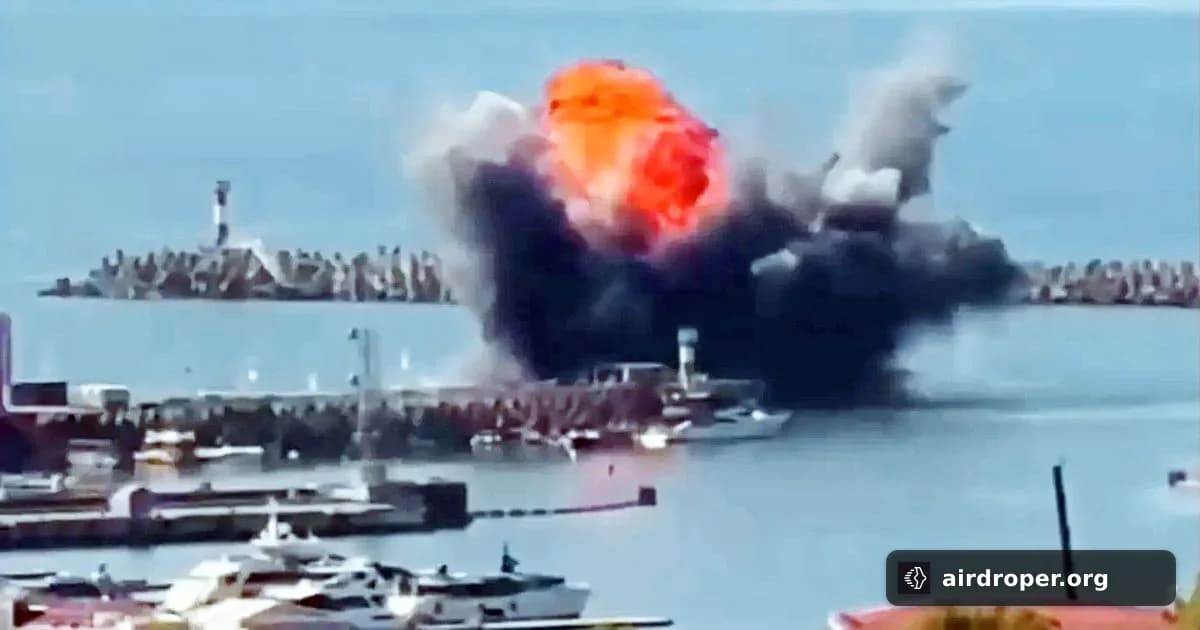
The reported attack on Sochi shows how Ukraine’s sea-drone campaign is reaching farther into the Black Sea and reshaping coastal defense.
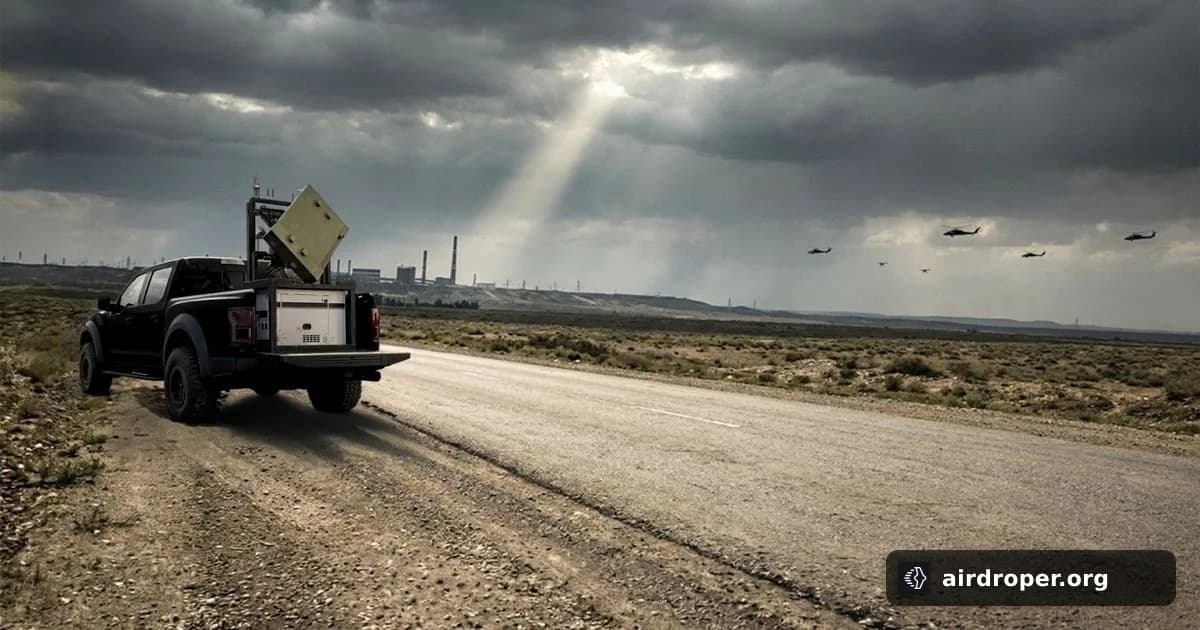
Drone detection is moving toward layered systems built for smaller, faster, and swarm-style threats, with tactical radar playing a central role.
