
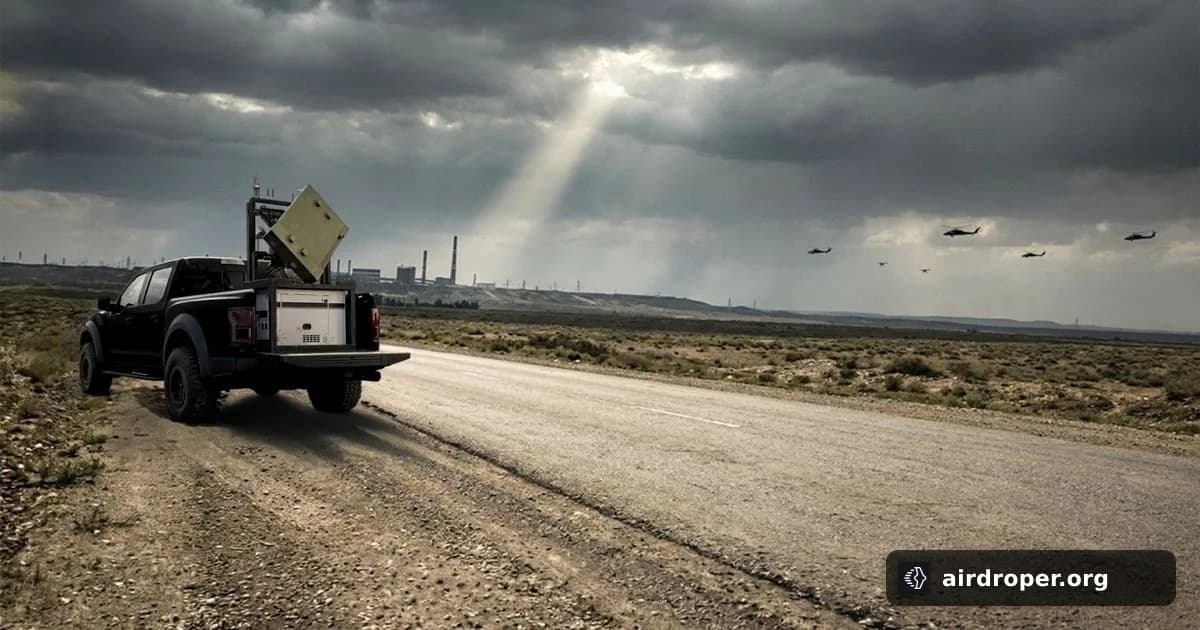
How Drone Detection Is Adapting to Smaller Swarms
Drone detection is shifting to layered defense
Counter-drone systems are being pushed to evolve because the threat itself is evolving. Small aircraft are getting harder to spot, faster to move, and more difficult to track when they appear in groups. That changes the problem from simple detection to rapid, reliable detection under pressure.
A single sensor rarely provides enough coverage on its own. Low-altitude flight, small signatures, and unpredictable movement can all reduce the effectiveness of one stand-alone solution. In practice, detection is moving toward layered systems that combine different sensing methods so each one can fill in the gaps left by the others.
Why layered sensing matters
Radar remains a core part of that architecture. It offers early warning and helps establish a first track when visual confirmation is limited by distance, weather, terrain, or darkness. But radar is most effective when it is part of a larger chain rather than treated as a complete answer by itself.
Other sensors can then refine the picture, help confirm the target, and support response decisions. That approach is especially important against swarm-like behavior, where multiple drones may appear at once and strain the time available to classify and react.
Meeting smaller and faster threats
Older counter-UAS assumptions often centered on larger, slower platforms. The current environment is different. Smaller drones can present a much lower profile, while faster movement shortens the window for response. If several are launched together, the challenge becomes not only spotting them, but keeping up with the pace of the engagement.
That is why modern detection is increasingly tied to automation and faster data handling. Systems need to identify a threat, classify it, and pass that information on quickly enough for the rest of the defense network to act.
The direction of travel
The next stage of counter-UAS development is not about finding one perfect sensor. It is about building a coordinated stack of sensors and decision tools that can work together in real time. Tactical radar sits near the center of that model, providing the early detection layer that lets everything else function more effectively.
As drone threats become smaller, faster, and more numerous, detection systems will need to become more integrated, more adaptive, and more responsive.
Related Posts
Comments
Sign in to leave a comment