
Middle Strike Drones vs Air Defense Sensors
Targeting the air-defense sensor layer
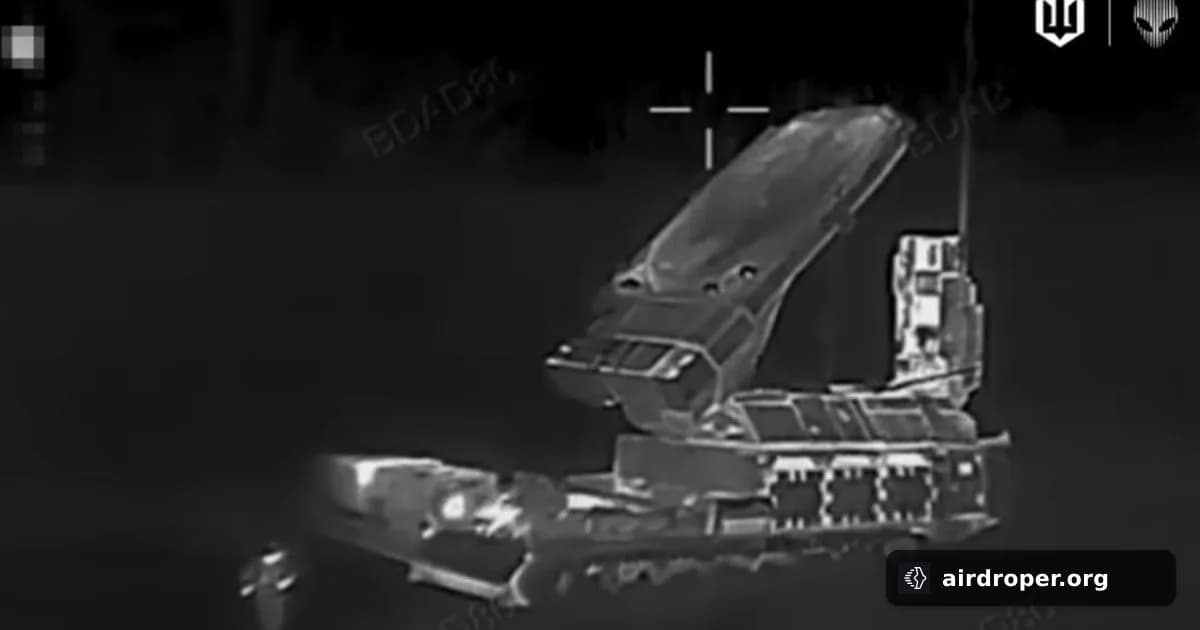
In air defense, the most valuable assets are not always the launchers themselves. The real starting point is the sensor layer: radars, observation posts, and command nodes that detect targets, track them, and pass the data needed for engagement. If these elements are disrupted, even a strong air-defense network loses a meaningful share of its effectiveness.
That is why recent UAV tactics have shifted beyond strikes on vehicles and depots toward deliberate pressure on the enemy’s sensing infrastructure. This is where middle strike drones fit in. They sit between lightweight tactical UAVs and larger long-range systems, carrying more payload than improvised one-way drones while remaining agile enough for precision missions.
Why the sensor layer matters
A successful attack on air-defense “eyes” can have several effects:
- shrinking the radar coverage area;
- making it harder to track small targets;
- increasing the burden on backup detection channels;
- creating gaps in the overall air picture.
On the battlefield, that translates into slower reaction times, greater strain on operators, and fewer options to rapidly restore a full defensive setup after relocation.
What drives the shift
Since the beginning of 2026, this approach has become more important as drone warfare has matured. The challenge is no longer limited to defeating drones in the air; it also includes protecting the sensing network that makes interception possible. As a result, strike UAVs are increasingly used in a sequence: weaken sensors first, then create conditions for follow-on attacks.
For developers and operators, that changes the platform requirements. Range, resistance to electronic warfare, navigation accuracy, and onboard energy capacity matter more than ever. Modularity is also becoming a practical advantage, allowing systems to be adapted quickly for different missions without redesigning the entire airframe.
Bottom line
Using middle strike drones against air-defense sensors reflects a broader trend in modern aerial warfare: the focus is shifting from isolated targets to the systems that support them. Hitting sensors may not look dramatic, but it often opens the door for everything that follows in the air domain.
Related Posts

Comments
Sign in to leave a comment