US Downed Iranian Drones Over the Strait of Hormuz
A tense episode over a strategic waterway
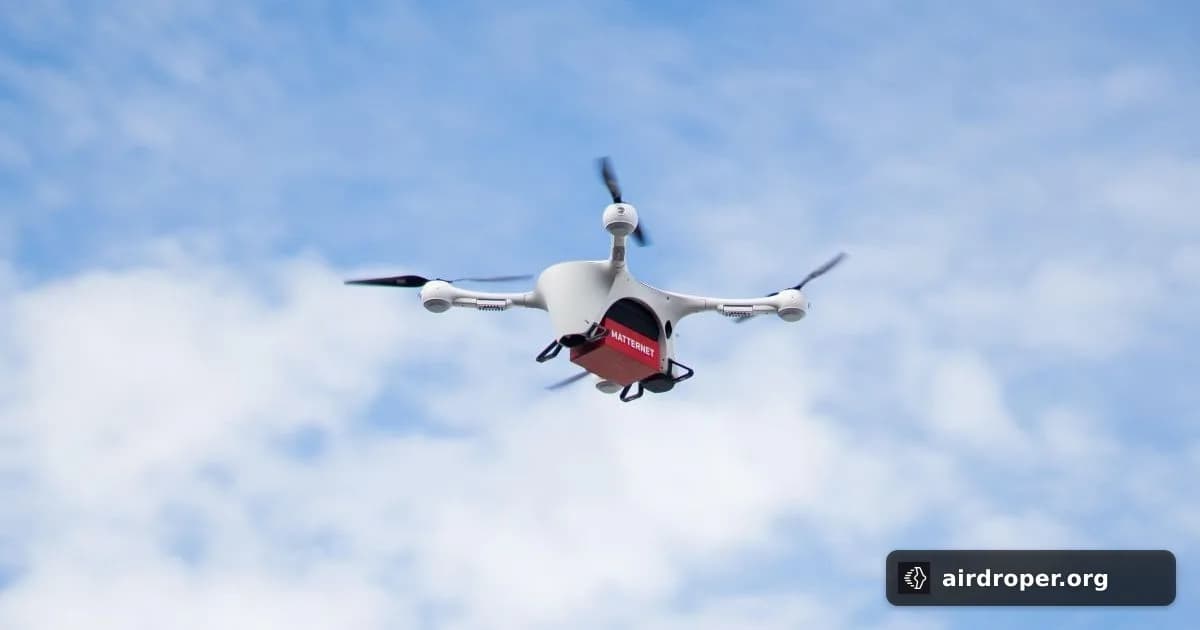
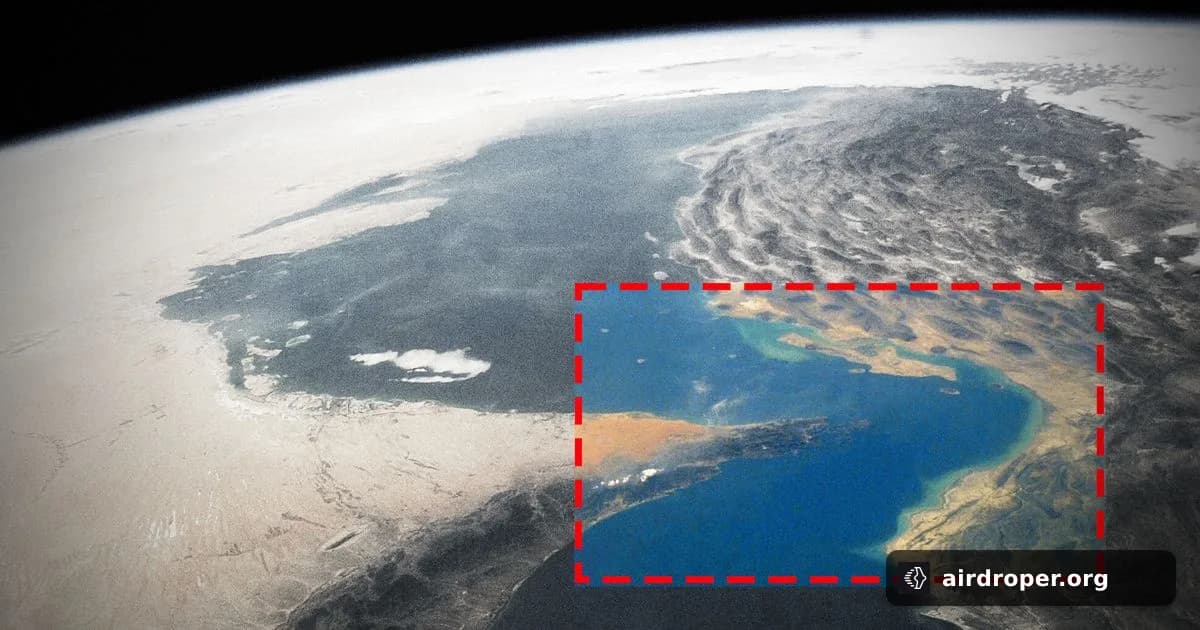
The United States said it shot down Iranian drones launched toward the Strait of Hormuz, one of the world’s most sensitive maritime chokepoints. Even a short-lived drone incident in this area draws immediate attention because it can affect both military posture and commercial shipping.
According to the source, the event marks another escalation between Iran and the U.S. after the war had been on pause for nearly two months. That detail matters: when drones appear in a heavily monitored corridor, the response is about more than intercepting a flying object. It is also about deterrence, surveillance, and signaling.
Why the Strait of Hormuz matters
The Strait of Hormuz is a narrow passage with outsized strategic importance. It links major sea routes and energy traffic, which means any security disturbance there can ripple well beyond the immediate area. For that reason, drone activity in the strait is read as part of a broader regional security picture rather than an isolated event.
From a military perspective, drones remain a flexible and relatively low-cost tool. They can be used for reconnaissance, pressure, or simply to test an opponent’s defenses. In a confined maritime environment, that creates a difficult interception problem: there is little room for error, and the stakes are high.
What this incident suggests
Episodes like this highlight how unmanned systems have become a regular feature of modern tension. A brief drone incursion can quickly turn into a question of shipping security, air defense readiness, and political escalation.
For the UAV sector, it is another reminder that drones are reshaping how confrontation unfolds. They are fast to deploy and valuable for operators, but their presence in strategic airspace or over key waterways can trigger an immediate international response.
Related Posts
Comments
Sign in to leave a comment