Ground-to-Air Laser Power: The Drone That Never Needs to Land
Breaking the Endurance Barrier
Flight endurance has always been one of the most stubborn constraints in unmanned aviation. No matter how capable the platform, eventually every drone has to come down — for fuel, for batteries, for maintenance. That constraint directly impacts ISR missions, where gaps in surveillance coverage can have serious operational consequences.
A recent demonstration by Kraus Hamdani Aerospace and PowerLight Technologies may point toward a genuinely different future.
What Was Demonstrated
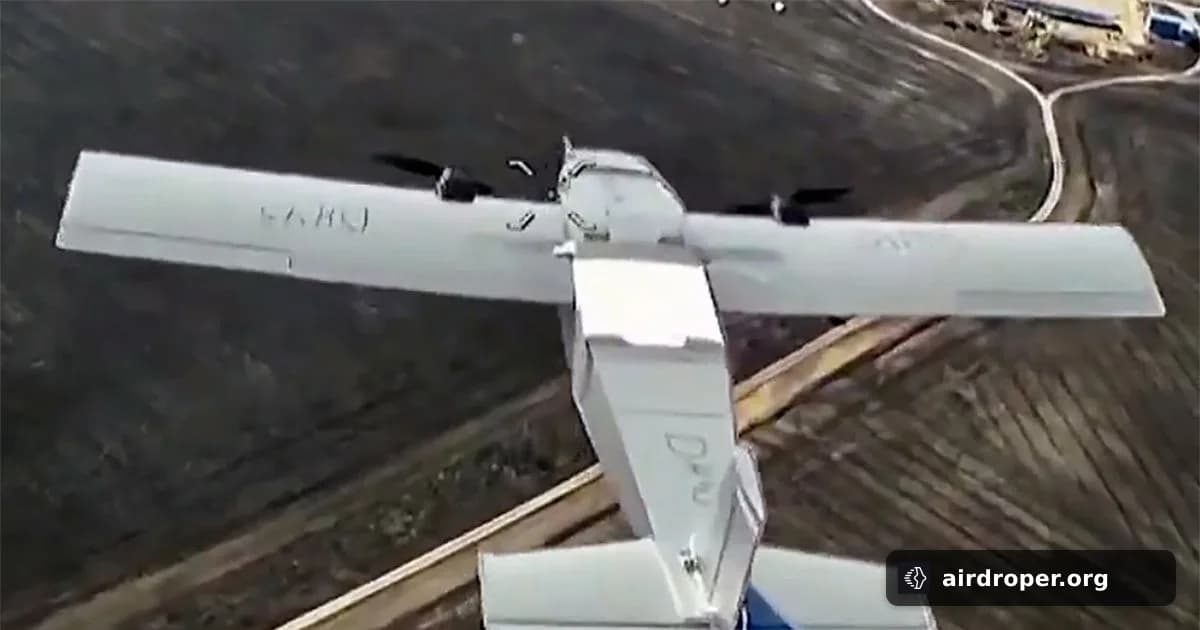
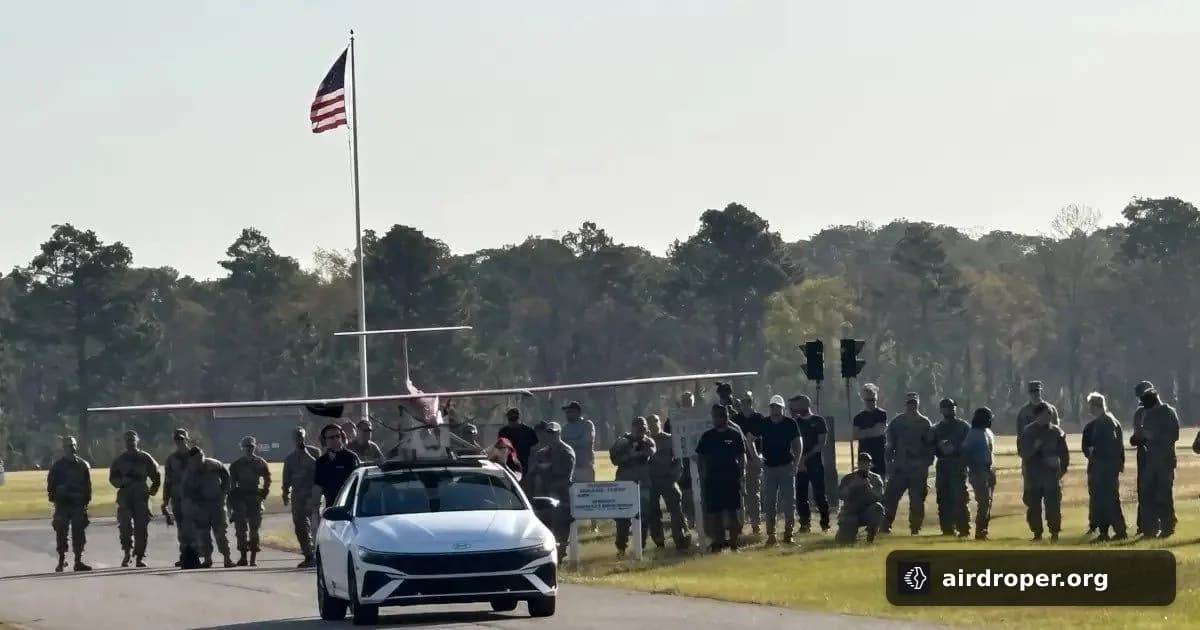
During flight operations at Shaw Air Force Base, the two companies successfully transmitted close to one kilowatt of power wirelessly to the K1000ULE unmanned aircraft at altitudes reaching 5,000 feet. The energy was delivered via a directed laser beam from the ground, converted into usable electrical power aboard the aircraft — no cables, no physical contact.
The practical implication is significant: a Group 2 UAS platform could theoretically remain airborne for months at a time, provided the ground-based laser station operates continuously.
Why Persistent ISR Matters
Intelligence, Surveillance, and Reconnaissance missions depend on uninterrupted coverage. A drone that must land every few hours creates predictable gaps — and adversaries can exploit those gaps. The concept of persistent or perpetual flight addresses this directly:
- No surveillance blind spots caused by mandatory landings
- Continuous communications relay over a defined area
- Reduced logistical footprint — no fuel convoys or battery rotations
Operational and Commercial Context
This demonstration follows a $270 million IDIQ contract awarded to Kraus Hamdani Aerospace by U.S. Air Force Central Command, signaling that the technology is moving beyond the lab and toward real operational deployment.
Beyond military use cases, laser power beaming has potential civilian applications: border monitoring, infrastructure surveillance, and communications relay in remote or disaster-affected areas.
Limitations Worth Noting
Laser power transmission is not without challenges. Atmospheric conditions — cloud cover, fog, heavy rain — can degrade beam efficiency. The ground station itself requires power, protection, and precise pointing systems, which adds complexity in contested environments.
Still, a successful one-kilowatt transfer at operationally relevant altitude represents a meaningful milestone. The question is no longer whether this technology can work — it's how quickly it can be made reliable and scalable enough for sustained operations.
Related Posts
Comments
Sign in to leave a comment