
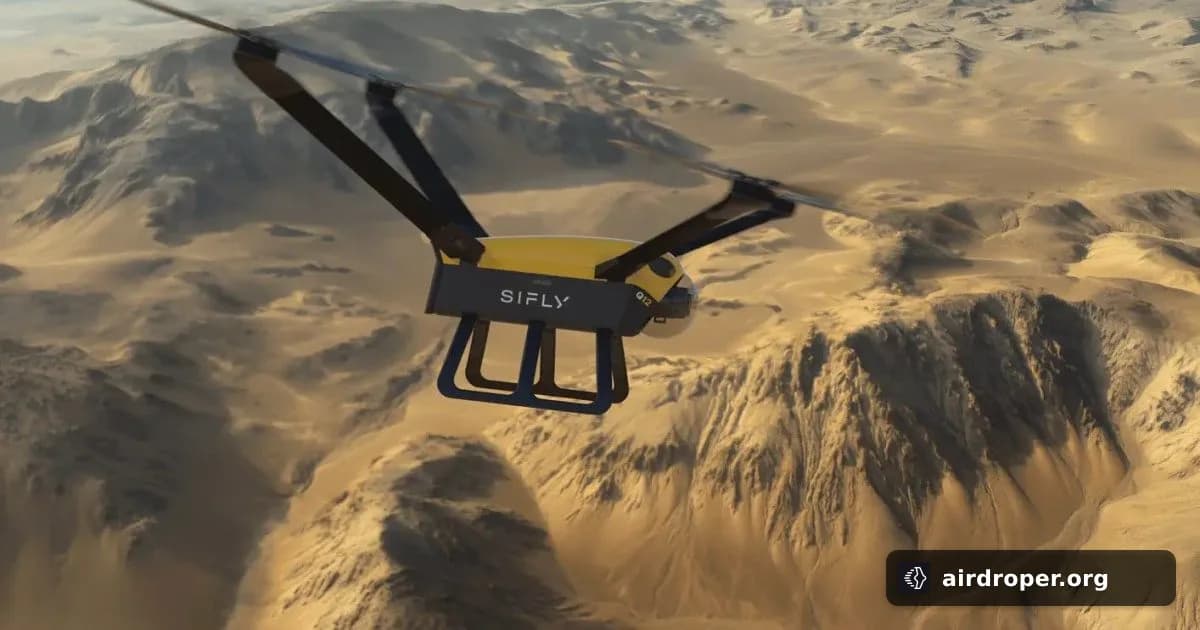
Flight Controller Engineers in High Demand: What UAV Companies Are Looking For
UAV Software Engineering Jobs Are Getting More Specialized
As unmanned aerial systems become increasingly capable — and commercially critical — the engineers behind their software are becoming some of the most sought-after professionals in aerospace and robotics. A clear pattern is emerging in UAV job postings: companies want engineers who don't just write code, but understand what that code does when the aircraft is in the air.
Core Skills That Employers Are Prioritizing
Across the UAV industry, a consistent set of technical competencies keeps appearing in senior engineering roles:
- PX4 autopilot expertise — the open-source platform has become a standard foundation for both commercial and research-grade UAVs
- MAVLink protocol knowledge — essential for communication between flight controllers, ground stations, and companion computers
- Autonomy behavior development — programming mission logic that operates reliably without continuous human input
- Sensor integration — GPS, IMU, lidar, cameras, and other payloads all require careful software implementation
- Flight test validation — the ability to verify software performance on real hardware, not just in simulation
Bridging Code and Real Aircraft
One phrase that captures a broader industry expectation: engineers must bridge the gap between code and live aircraft. This reflects a fundamental shift in how UAV companies think about software development. Simulation matters, but real-world flight validation is non-negotiable — especially for platforms designed for long-endurance missions where edge cases can't always be predicted in advance.
Experience requirements typically start at five or more years in robotics or aerospace, signaling that junior engineers are rarely placed in flight-critical development roles.
The Long-Endurance Challenge
Developing software for long-endurance UAV platforms adds another layer of complexity. Systems that fly for extended periods must handle power management, environmental adaptation, and autonomous decision-making over long durations — all while maintaining strict reliability standards. These constraints push engineers to write leaner, more robust code compared to shorter-duration platforms.
What This Means for the Industry
The growing demand for highly specialized flight software engineers points to an industry that is maturing rapidly. UAVs are no longer experimental prototypes — they are production platforms where software quality directly determines operational reliability and commercial viability.
For engineers with a strong background in embedded systems, control theory, and real-world flight testing, the UAV sector offers some of the most technically challenging and rewarding roles in modern aerospace.
Related Posts
Comments
Sign in to leave a comment