US Navy Fast-Tracks Hellfire Missiles to Carrier Strike Groups for Anti-Drone Defense
The Fleet Faces a New Kind of Threat
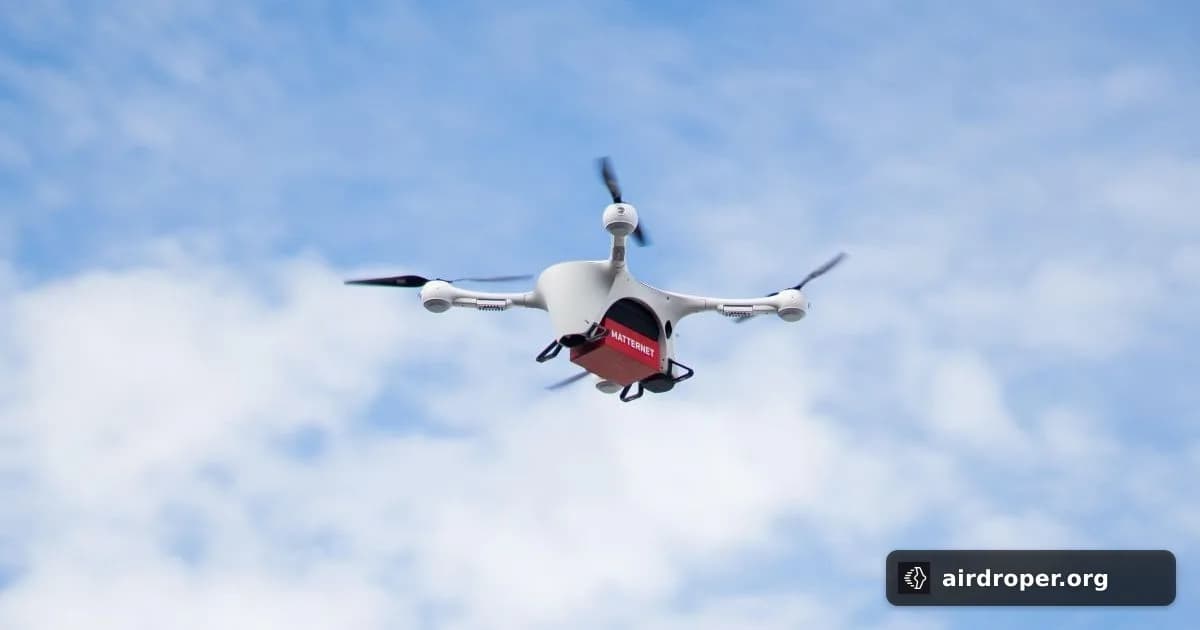
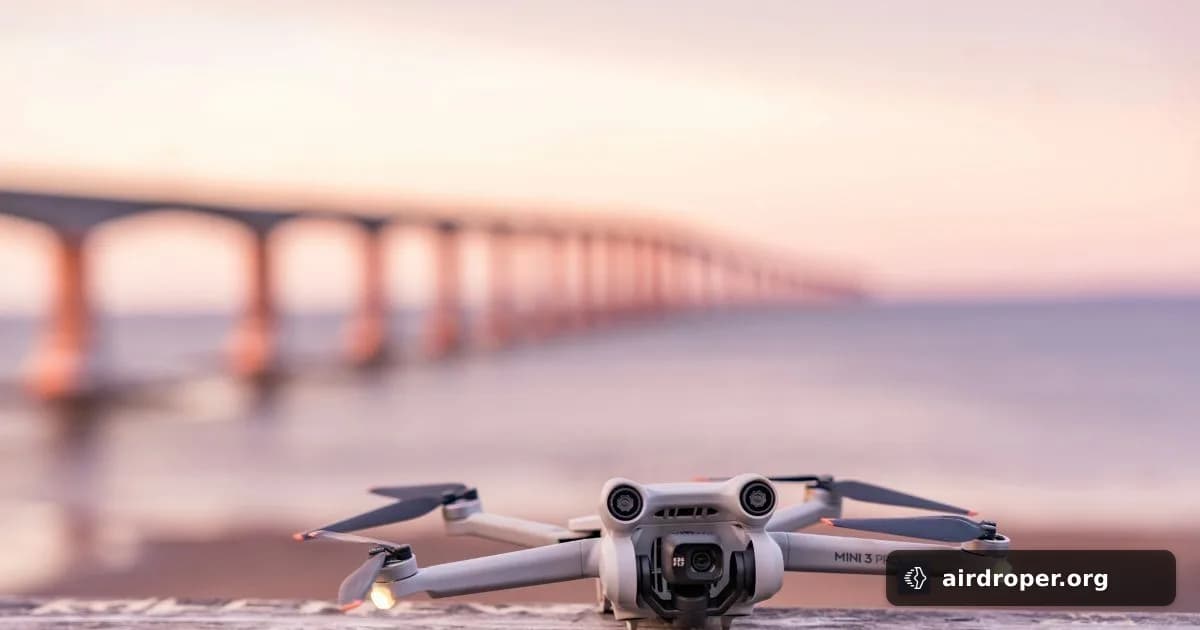
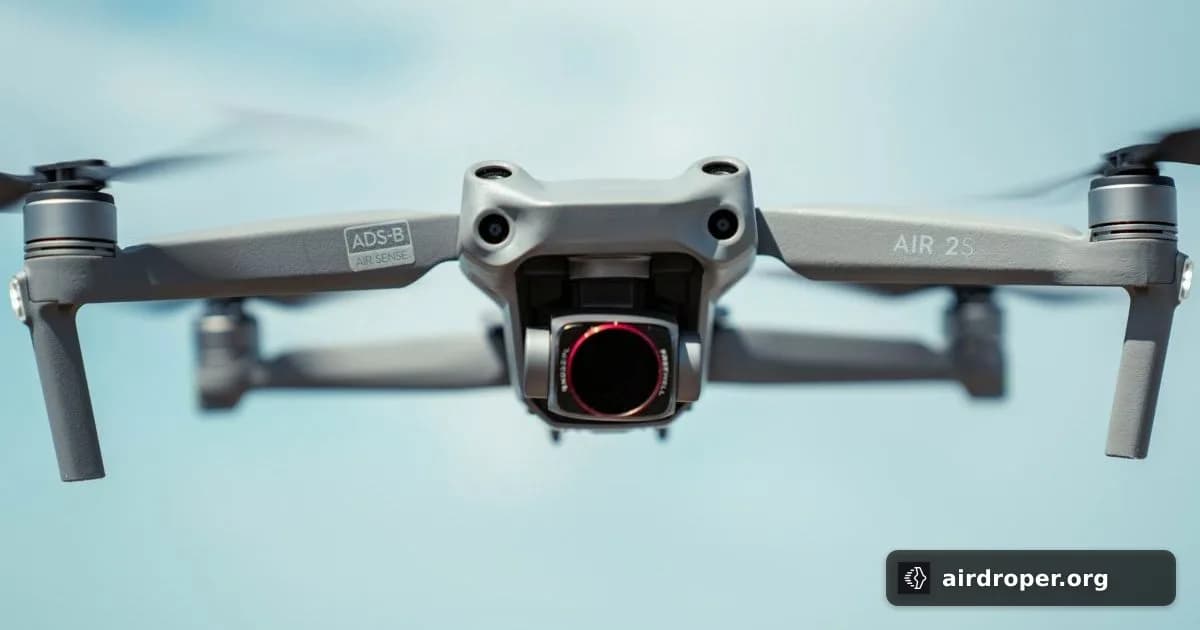
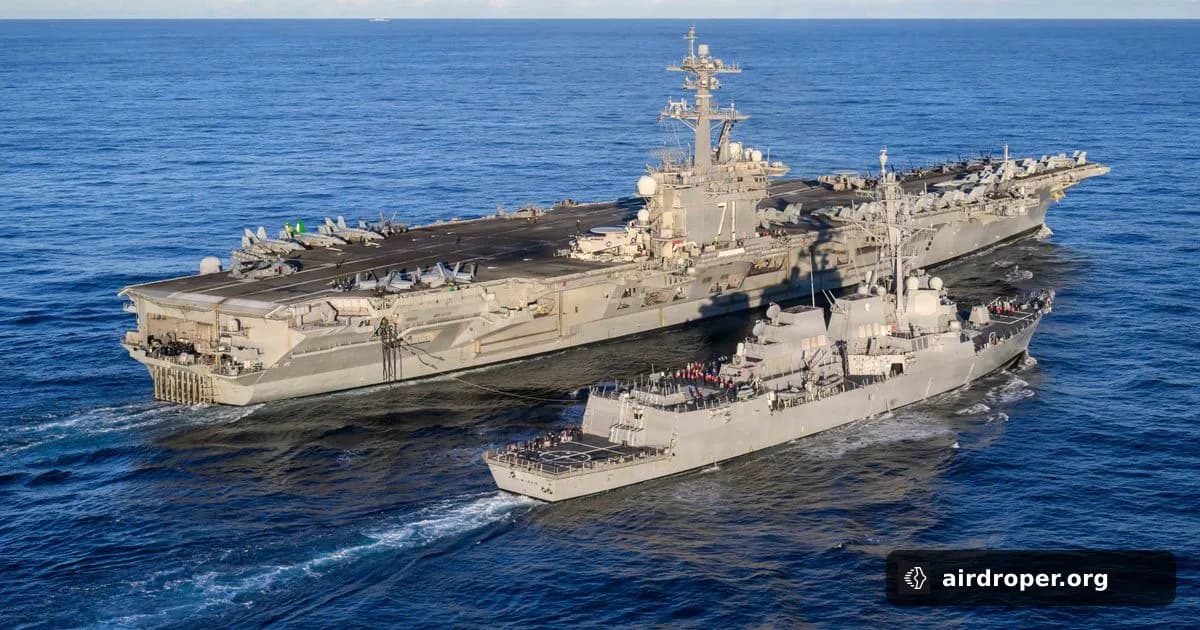
The United States Navy is moving quickly to equip carrier strike groups with Hellfire missiles, responding to the escalating danger posed by one-way attack drones. These so-called kamikaze UAVs have proven to be a difficult and asymmetric challenge — one that traditional naval air defense systems weren't designed to handle at scale.
The push reflects a broader effort to layer hard-kill capabilities into fleet defense, meaning systems that physically destroy an incoming drone rather than jamming or spoofing its control signal.
Why Hellfire?
Originally developed for air-to-ground strikes by helicopters and armed UAVs, the AGM-114 Hellfire is now being reimagined as a counter-drone weapon in the naval context. Several factors make it an attractive choice:
- Precision guidance — capable of engaging small, fast-moving aerial targets
- Cost-effectiveness — significantly cheaper per engagement than many dedicated air defense missiles
- Platform flexibility — can be integrated onto a variety of ship-based launchers without extensive redesign
Lessons From the Red Sea
The urgency behind this push is hard to separate from recent events in the Red Sea, where Houthi forces have repeatedly targeted commercial and military vessels using drones and missiles. Those engagements exposed gaps in naval point defense — particularly against low-cost, low-signature aerial threats.
Even well-protected warships found themselves expending high-value interceptors against cheap drones, raising serious questions about cost exchange ratios and magazine depth during a sustained campaign.
A Signal to the Broader UAV Industry
The Navy's accelerated procurement signals something important: the drone threat has matured to the point where major naval powers are restructuring their defense doctrine around it.
For engineers working on flight controllers, autopilots, and UAV electronics, this shift highlights a critical dynamic — the performance standards for both offensive drones and the systems designed to counter them are rising simultaneously. Reliability, resistance to electronic interference, and autonomous operation are no longer optional features. They are baseline requirements in any contested airspace.
The race between drone capability and drone defense is accelerating. And the decisions being made today — in procurement offices and engineering labs alike — will shape that balance for years to come.
Related Posts
Comments
Sign in to leave a comment