A2Z Unveils Delivery Drone With Dual Batteries
Commercial drones are moving beyond short hops
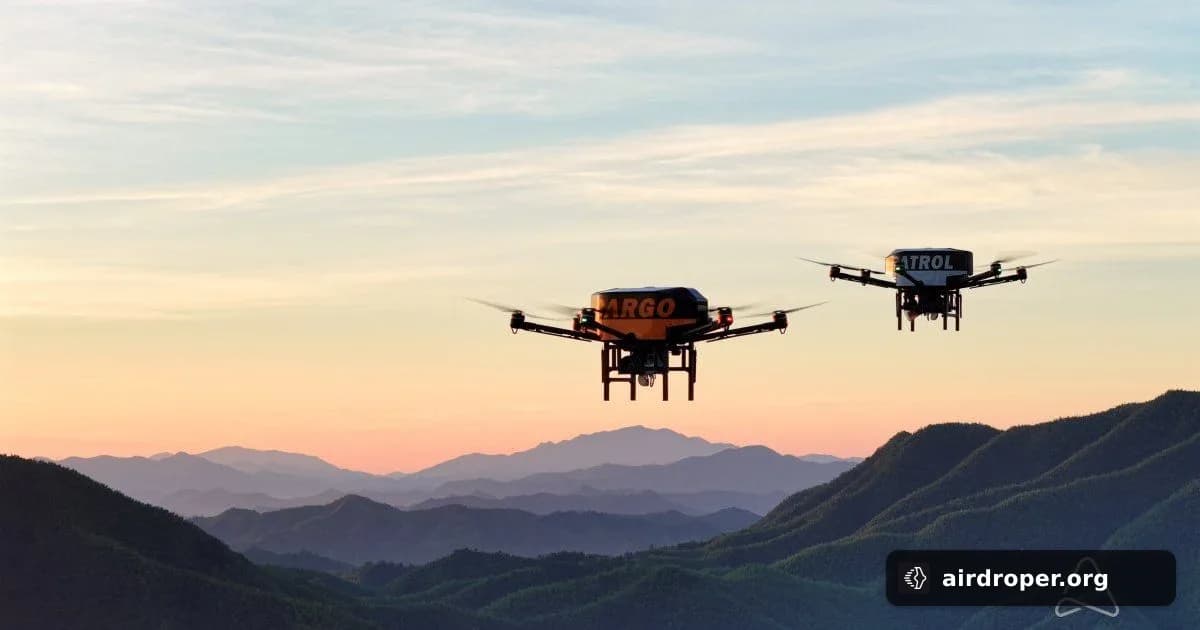
The commercial UAV market is no longer focused on simple flights over open terrain. Today, operators want aircraft that can carry packages across dense urban areas, inspect infrastructure from farther away, and support emergency teams without constant line-of-sight control. A2Z Drone Delivery’s latest aircraft is aimed squarely at that shift.
Dual batteries, but the real value is operational
The standout feature of the new platform is its dual-battery setup. On paper, that sounds like a hardware choice. In practice, it is about flexibility. For a delivery drone, power architecture affects how far it can go, how much it can carry, and how reliably it can complete a mission in real conditions.
That matters because commercial users do not think in terms of demonstrations. They think in routes, turnaround time, payload margins, and mission reliability. A system built around two batteries can help reduce the pressure that a single power source places on the rest of the aircraft design.
Why this kind of drone is gaining attention
The demand for more capable delivery platforms is being driven by several use cases:
- parcel delivery in urban and suburban environments;
- infrastructure inspection over longer distances;
- first-responder support where speed and autonomy matter;
- repeatable commercial missions that need predictable performance.
Across all of these scenarios, the key requirement is not just lift. It is completing the task with fewer compromises. Energy redundancy, or at least more robust power management, is becoming one of the practical ways to get there.
A sign of where the market is heading
Aircraft like this suggest that delivery drones are entering a more mature stage. The industry is moving away from novelty and toward platforms built around real operational constraints. That includes route planning, safety margins, and mission endurance — not just the ability to take off with a package attached.
A2Z’s new drone fits that direction well. It reflects a broader trend in commercial UAV design: better power systems, more mission flexibility, and a stronger focus on everyday usefulness rather than headline-grabbing specs.
Related Posts
Comments
Sign in to leave a comment