Flying Lion launches remote pilots for public safety drones
Staffing, not hardware, is the bottleneck
Drone as First Responder, or DFR, programs are no longer just a pilot project idea for public safety teams. The harder part is keeping them operational every hour of the day. A drone can be ready to launch in seconds, but only if there is a qualified operator available when the call comes in.
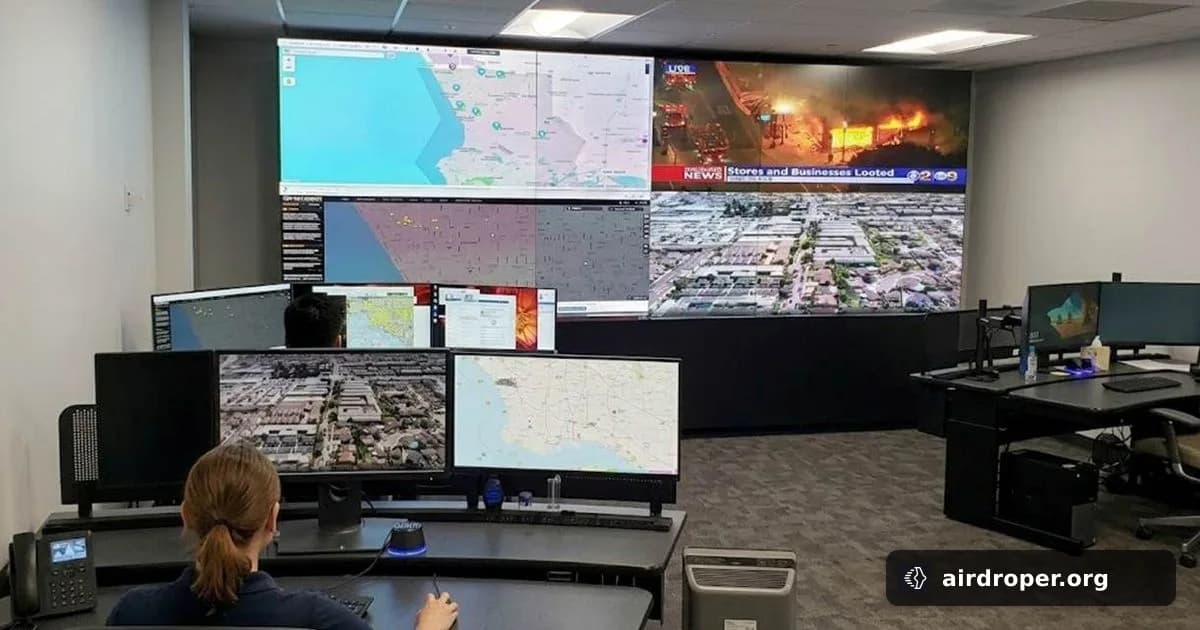
That is the gap Flying Lion is targeting with a new Remote Staffing Service for public safety agencies and security organizations. Instead of building a large in-house pilot roster to cover every shift, agencies can rely on remote pilots to help keep drone operations running continuously.
Why this model matters
For many organizations, the challenge is not launching a DFR program — it is sustaining one. Round-the-clock coverage means hiring, training, scheduling, and retaining enough pilots to handle nights, weekends, and leave time. That quickly becomes an operational burden.
A remote staffing approach shifts part of that load to an external provider. In practical terms, it can help agencies:
- maintain 24/7 drone coverage without expanding internal staff as quickly;
- scale operations across more areas or shifts;
- reduce pressure on limited pilot resources;
- keep response capability consistent for public safety and security missions.
A sign of where the market is heading
Public safety drone programs are moving from trials to routine use. Once drones become part of everyday response workflows, availability becomes just as important as capability. That is why service models built around staffing, scheduling, and operational continuity are gaining importance.
Flying Lion’s move highlights a broader trend in the drone sector: success is no longer just about the aircraft or the flight controller. It also depends on the support structure around the mission — the people, procedures, and systems that keep flights available when they are needed most.
Related Posts
Comments
Sign in to leave a comment