
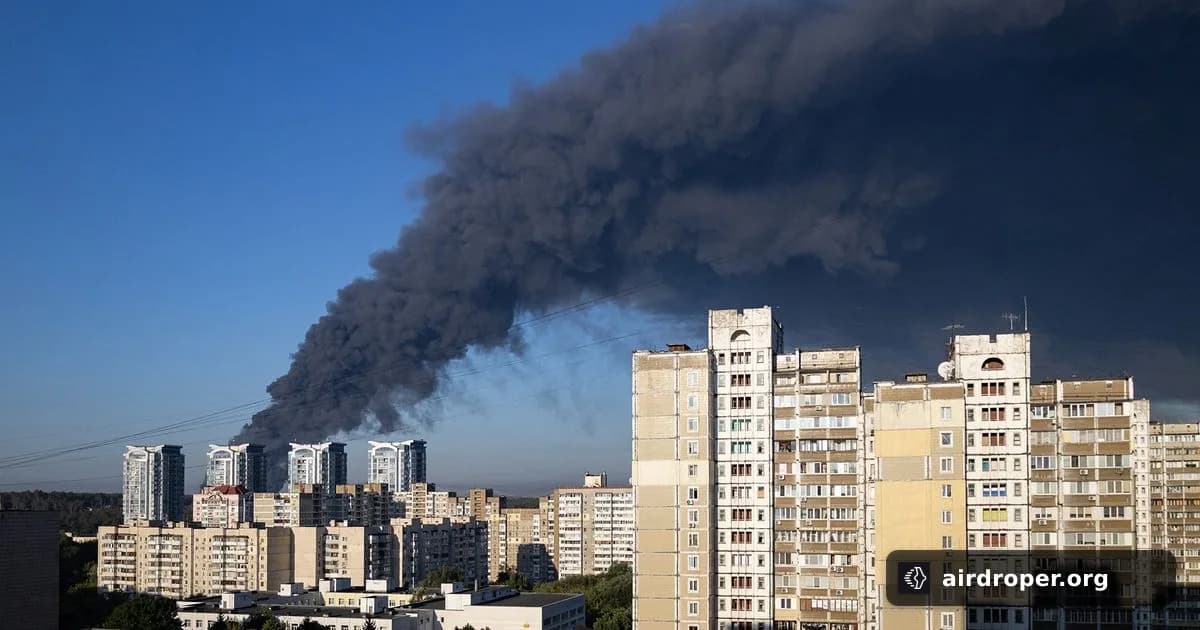
How Strike Tactics Against Kyiv Are Changing
A shift from peak strikes to steady pressure
Attacks on Kyiv are increasingly being shaped less as isolated, high-intensity raids and more as a sustained sequence of strikes. That changes the defensive challenge: instead of preparing for a single wave, air defenders must stay ready for repeated pressure over time.
The main effect is not only damage to individual targets, but also attrition. Frequent alerts, recurring launches of missiles and drones, and uncertainty about the size of the next attack all place strain on both civilians and air defense systems.
Why frequency matters more than volume
When attacks come more often, defenders have less time to reset. Interceptors, radar assets, mobile fire teams, surveillance systems, and personnel all remain under continuous demand. Even a strike that is not especially large can still be strategically important if it is part of a persistent pattern.
For the city, this means living under constant readiness. For the defenders, it means detecting targets faster, allocating resources more carefully, and keeping systems effective across a longer period of pressure.
What this means for air defense
Modern air defense is not only a technical contest; it is also a test of adaptation. If the earlier goal was to saturate the sky in a single burst, the current approach appears aimed at gradual exhaustion.
That places extra value on:
- uninterrupted airspace monitoring;
- fast data sharing between units;
- disciplined use of interceptors;
- resilient command and sensor networks.
Bottom line
A change in strike pattern suggests an air campaign designed not just for immediate impact, but for long-term pressure. In that kind of fight, success depends not only on how many weapons are launched, but on how well defenders can sustain their tempo, preserve response speed, and maintain control under constant stress.
Related Posts


Comments
Sign in to leave a comment