Lessons from Ukraine: What NATO Must Learn from the World's Largest Drone Testing Ground
Ukraine as a Live Combat Laboratory
Three years of full-scale warfare have turned Ukraine into something unprecedented: a real-time proving ground for modern conflict. What was expected to be a short campaign has become a prolonged, high-intensity war where both sides adapt constantly — technically, tactically, and operationally.
For defense analysts, military planners, and technology developers, Ukraine now represents the most data-rich conflict environment in decades.
FPV Drones and Decentralized Command
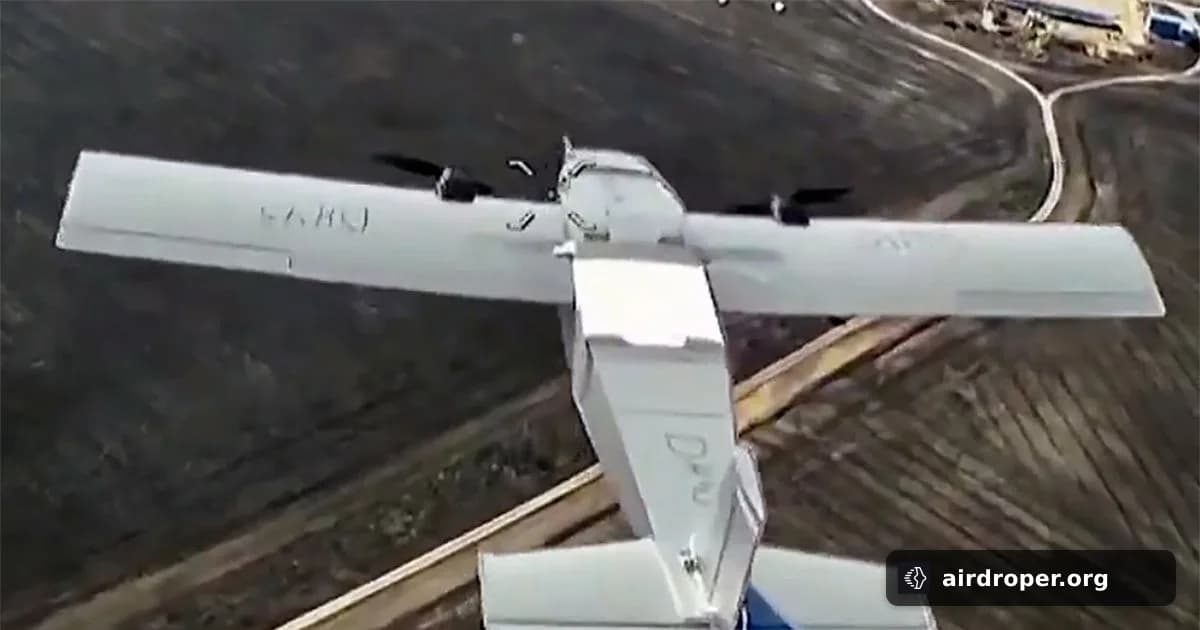
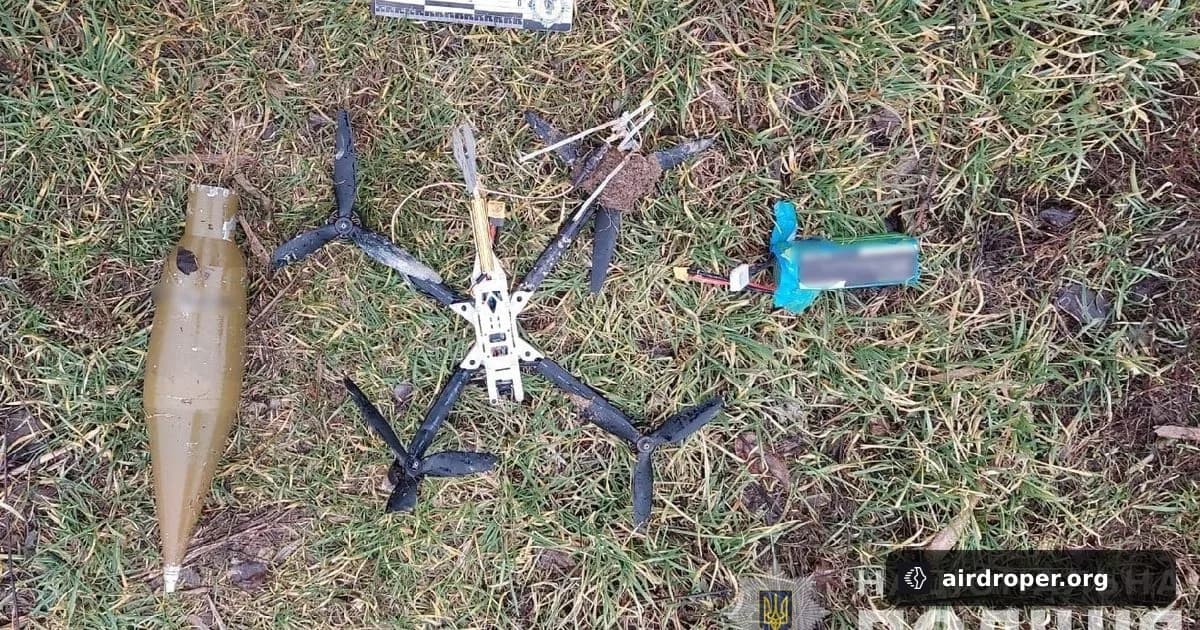
Among the most significant developments has been the battlefield dominance of FPV drones. Inexpensive, agile, and lethal, they have fundamentally reshaped small-unit tactics. Ukrainian forces demonstrated the ability to:
- Rapidly integrate commercial off-the-shelf components into combat systems
- Modify software at the unit level, often within hours
- Make autonomous decisions without waiting for top-down orders
Decentralized command proved equally transformative. When sergeants can act on real-time information without routing decisions through a distant headquarters, operational tempo increases dramatically.
A Closing Window
NATO has spent decades refining doctrine through exercises and simulations — valuable, but fundamentally different from fighting an adversary that adapts in real time. Ukraine has accumulated three years of live operational experience that cannot be replicated in a training environment.
The challenge is that this knowledge has a limited shelf life. Tactics effective today may be neutralized tomorrow by new electronic warfare systems or counter-drone technologies. The longer the Alliance waits to systematically absorb these lessons, the more they risk becoming obsolete.
Key Areas for Integration
The lessons extend well beyond drone hardware. Critical areas include:
- Rapid prototyping and deployment: Ukraine's development cycle — from concept to battlefield use — is measured in weeks, not years
- Open system architecture: the ability to update and replace components without vendor lock-in
- Operator training at scale: mass training of drone operators has become a genuine strategic asset
- Counter-drone expertise: understanding the threat from the inside is the best foundation for defense
Partnership, Not Observation
The most effective approach for NATO isn't passive study — it's active technological and doctrinal partnership with Ukraine. That means involving Ukrainian specialists in standards development, conducting joint exercises informed by real combat experience, and being willing to challenge long-standing assumptions.
The classroom is open. The question is whether NATO is ready to take a seat.
Related Posts
Comments
Sign in to leave a comment