
Portable Dual-Band Drone Detection for Remote ID
Portable detection is moving toward smarter sensing
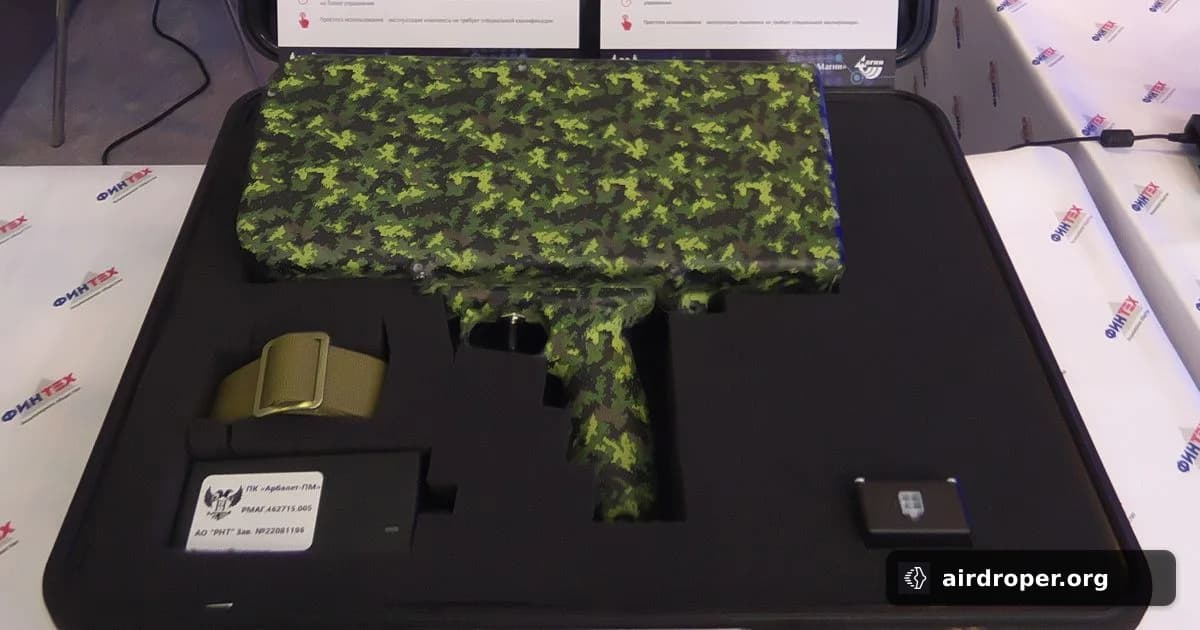
At Commercial UAV Expo, a new portable drone detection system was introduced with a clear focus on Remote ID monitoring. Its main idea is straightforward: improve situational awareness by listening across both 2.4 GHz and 5.8 GHz bands. In crowded RF environments, that kind of coverage can make a practical difference.
The core of the design
The system combines several elements that point to a more capable field-ready detector:
- two antennas to capture signals across different bands;
- two dedicated processors for parallel signal handling;
- custom scanning algorithms aimed at identifying Remote ID-related activity more efficiently.
That mix suggests a tool built for mobility and faster deployment rather than a fixed installation. For users who need to move quickly between sites, portability is just as important as raw detection performance.
Why dual-band monitoring matters
Drone detection is no longer only about spotting an aircraft presence. In many cases, it is also about interpreting the radio environment around it. Supporting two common frequency ranges broadens the system’s usefulness across different operational settings, from perimeter security to large public events and infrastructure monitoring.
Parallel processing can also help when the spectrum is busy. Airports, industrial sites, city centers and event venues often host multiple wireless systems at once, so the ability to scan and classify signals without unnecessary delay is a meaningful advantage.
A sign of where the market is heading
As Remote ID becomes more relevant, demand is growing for compact tools that can support monitoring, verification and response workflows. Products that combine dual-band reception, dedicated processing and adaptive scanning are well positioned for teams that need quick awareness rather than a complex fixed network.
The broader trend is clear: users want detection systems that do more than simply register a drone. They want useful, real-time information that helps them understand what is happening in the airspace. Portable platforms with smarter signal handling fit that direction well.
Related Posts


Comments
Sign in to leave a comment